
Results
-
The Crown of Roses - Tchaikovsky - Len Jenkins
Tchaikovsky wrote this in his 'Songs for Young People' in Moscow in 1883 to words by Pletchtcheev. The story it tells is about Jesus Christ when he was a young child, having a small wild garden in which roses grew. Passing children saw the roses and plucking them mockingly asked if he wove rose garlands in his hair. Christ says to take the roses, but to leave the thorns. Instead, they make a crown of these and forced it onto his head so that it bleeds, symbolic of what was going to happen later in his lifetime. The melody contains all the passion that we associate with Russian church music and is equally suitable for a contemplative Christmas or Passiontide. This arrangement is faithful to the four verses of the original lyrics, but with an optional ending half-way if preferred.
-
The Last Rose of Summer - John Stevenson - Matt Kingston
A belter of a folk tune - not that it's really a folk tune of course, it's by the Irish composer John Stevenson. It's the percussion section that make this one special - their snare rolls and bass drum thwacks reminiscent of Highland Cathedral.
-
 £45.00
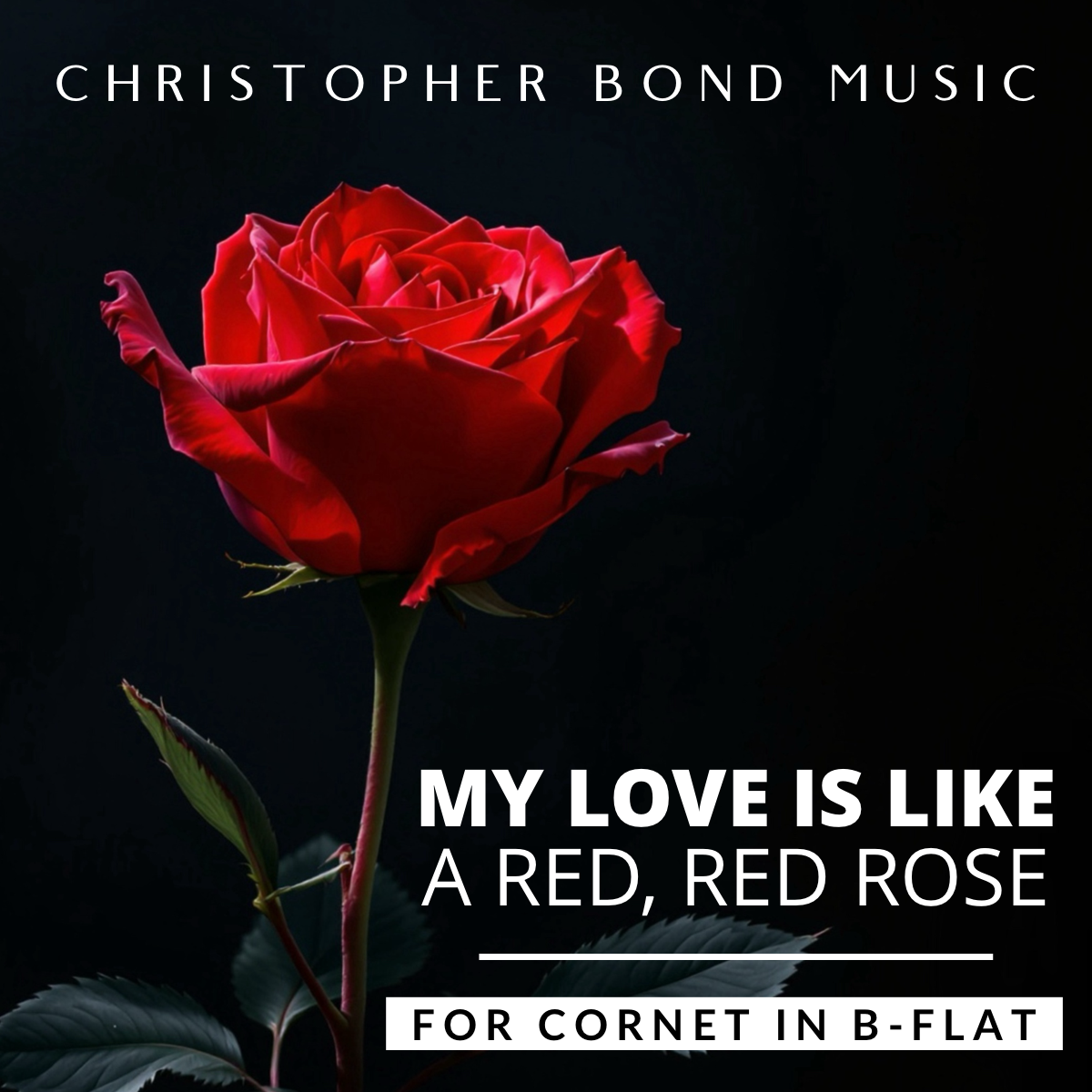
My Love Is Like A Red, Red Rose - Christopher Bond
This timeless melody has been reworked in a new version for cornet and brass band, premiered by James Screaton & The GUS Band at Brass in Concert in November 2025 at the Glasshouse International Centre for Music, Gateshead.
Estimated dispatch 10-14 working days
-
 £14.95
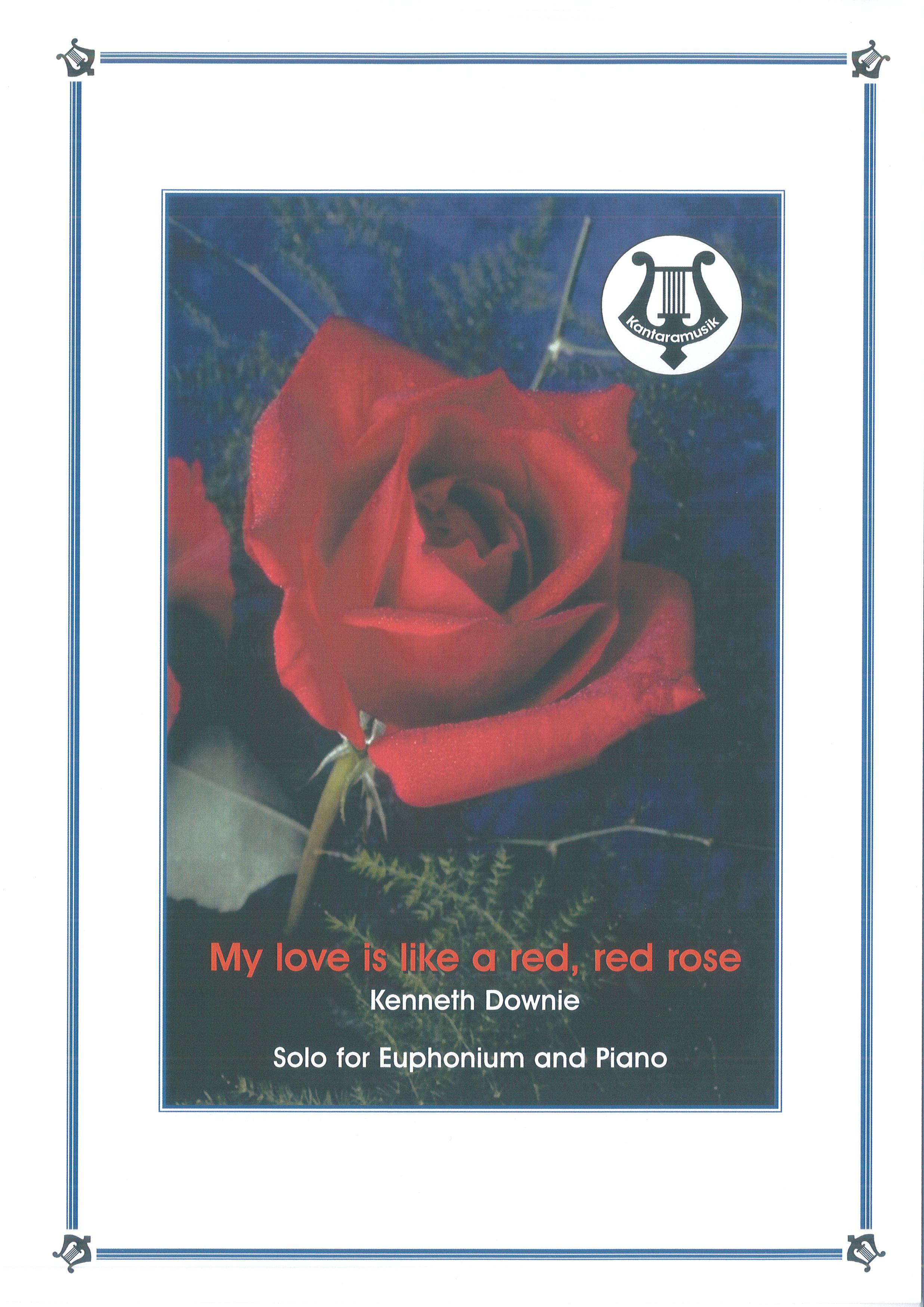
My Love is Like a Red, Red Rose (Euphonium and Piano)
An arrangement for Euphonium solo with brass band accompaniment of surely one of the world's greatest melodies. Its wide-ranging intervals and exquisitely shaped climax near the end give it a natural line that is truly memorable.
Estimated dispatch 7-14 working days
-
 £24.95
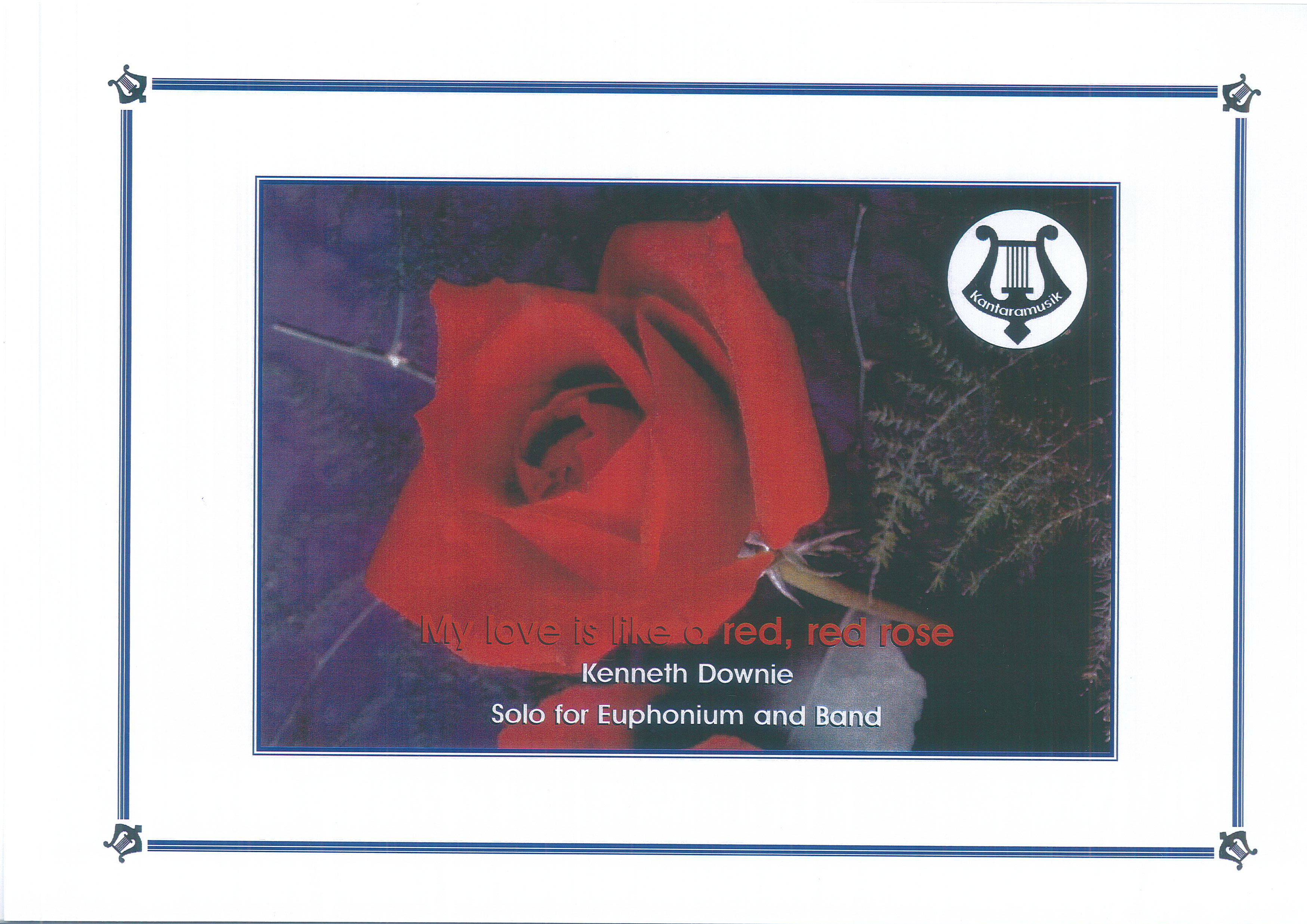
My Love is Like a Red, Red Rose (Euphonium Solo Brass Band - Score and Parts)
An arrangement for Euphonium solo with brass band accompaniment of surely one of the world's greatest melodies. Its wide-ranging intervals and exquisitely shaped climax near the end give it a natural line that is truly memorable.
Estimated dispatch 7-14 working days
-
 £15.99
Tis the Last Rose of Summer (Flugel Horn Solo with Brass Band - Score and Parts) - Westwood, Gary
It is often thought that 'Tis the Last Rose of Summer came from the Victorian era, when Irish songs were very popular. However this was first published in 1813 and has been adapted and arranged by many composers and arrangers over the years. This arrangement, as a Flugel Horn solo, by Gary Westwood reveals the tenderness in this wistful love song. Suitable for Advanced Youth/3rd Section Bands and above. Duration: 5.00
Estimated dispatch 7-14 working days
-
 £59.99
To a Wild Rose (Brass Band - Score and Parts) - MacDowell, Edward - Sparke, Philip
Edward MacDowell can be regarded as the first great American composer, although he disliked the idea of being classified as any sort of musical nationalist. He composed a large number of orchestral works but it is the charming and unpretentious suite of musical miniatures, Woodland Sketches, that has survived as his best-known work, with To a Wild Rose being the most popular. Philip Sparke has expertly arranged this simple work for brass band.Duration: 3.00
Estimated dispatch 7-14 working days
-
 £25.00
To a Wild Rose (Brass Band - Score and Parts) - MacDowell, Edward - Charleson, Bill
To a Wild Rose, one of MacDowell's most well-known and loved pieces, is part of the larger Woodland Sketches, finished in 1896 for solo piano and has been skilfully arranged here for brass band.
Estimated dispatch 7-14 working days
-
 £43.99
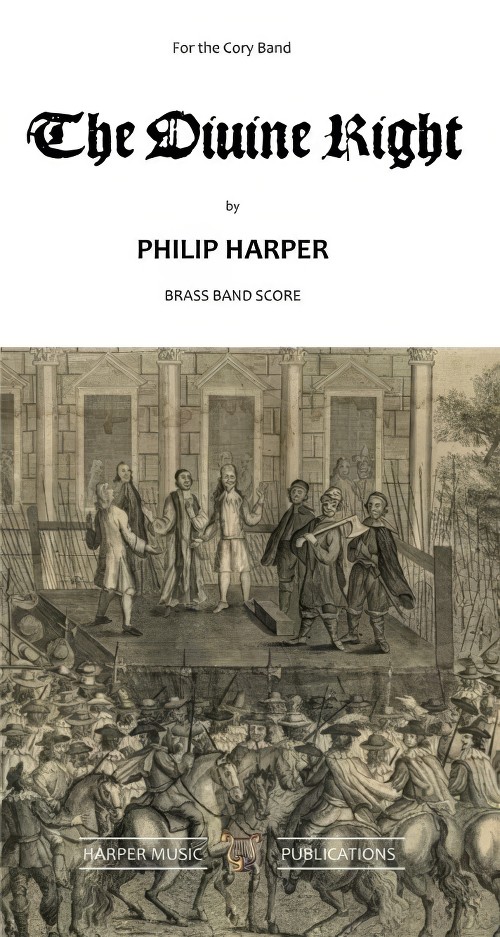
The Divine Right (Brass Band - Score only) - Harper, Philip
At the time of composing this piece, the Arab Spring was sweeping through the Middle East. It seemed that almost every week a new country's people had risen up against the regimes and dictatorships which had prevailed for generations, leaving many nations at a defining crossroads in their history. There were so many possible ways ahead: so many hopes, yet so many uncertainties.This music is a depiction of these revolutionary times, and several musical themes are in turn presented, discussed, considered, fought over, altered, rejected or accepted.Most nations have had, or probably will have, their own Arab Spring, including the United Kingdom. Events of 17th Century Britain provide the context for this piece, particularly those following the execution of the tyrant King Charles I on 30 January 1649. The regicide was in part due to Charless steadfast belief in the Divine Right of Kings, and led to a tumultuous interregnum, where England stood at its own defining crossroads. The music begins turbulently, before King Charles appears and is led to the gallows outside Banqueting House in central London where he is brutally decapitated. From the assembled crowd rose, according to one observer,a moan as I never heard before and desire I may never hear again.The music descends to emptiness.The musical argument which follows is not strictly programmatic, but a number of musical themes are all thrown into the melting pot, representing ideas such as: religion; military force; reasoned Parliamentary debate; and the chattering, irrepressible voice of the people. Additionally, there are some quotations from the music of royalist composer Thomas Tomkins (1572-1656), who was often in tune with the feeling of the times.This defining episode in England's history was brought to a close with the Restoration of the monarchy in 1660, and as the exiled King Charles II rode back into London the diarist John Evelyn wrote:Never was so joyful a day seen in this nation. I stood in the Strand and beheld it, and blessed God.At the end of the piece the bells ring out, and the musical appearance of the King has transformed from turbulent to triumphant.Duration: 17.00
Estimated dispatch 7-14 working days
-
£104.99
The Divine Right (Brass Band - Score and Parts) - Harper, Philip
At the time of composing this piece, the Arab Spring was sweeping through the Middle East. It seemed that almost every week a new country's people had risen up against the regimes and dictatorships which had prevailed for generations, leaving many nations at a defining crossroads in their history. There were so many possible ways ahead: so many hopes, yet so many uncertainties.This music is a depiction of these revolutionary times, and several musical themes are in turn presented, discussed, considered, fought over, altered, rejected or accepted.Most nations have had, or probably will have, their own Arab Spring, including the United Kingdom. Events of 17th Century Britain provide the context for this piece, particularly those following the execution of the tyrant King Charles I on 30 January 1649. The regicide was in part due to Charless steadfast belief in the Divine Right of Kings, and led to a tumultuous interregnum, where England stood at its own defining crossroads. The music begins turbulently, before King Charles appears and is led to the gallows outside Banqueting House in central London where he is brutally decapitated. From the assembled crowd rose, according to one observer,a moan as I never heard before and desire I may never hear again.The music descends to emptiness.The musical argument which follows is not strictly programmatic, but a number of musical themes are all thrown into the melting pot, representing ideas such as: religion; military force; reasoned Parliamentary debate; and the chattering, irrepressible voice of the people. Additionally, there are some quotations from the music of royalist composer Thomas Tomkins (1572-1656), who was often in tune with the feeling of the times.This defining episode in England's history was brought to a close with the Restoration of the monarchy in 1660, and as the exiled King Charles II rode back into London the diarist John Evelyn wrote:Never was so joyful a day seen in this nation. I stood in the Strand and beheld it, and blessed God.At the end of the piece the bells ring out, and the musical appearance of the King has transformed from turbulent to triumphant.Duration: 17.00
Estimated dispatch 7-14 working days
 View Music