
Results
-
 £34.95
SLOW RIDE IN A STATIC MACHINE, A (Brass Band) - Lawrence, Phil
A Slow Ride in a Static Machine was inspired some time ago when my (late) Father came to visit me "down in London" as he put it. It was based not on one of his circular mishaps, but on several! He was always directed carefully, but refused to carry a map in the car! At one time when I lived in North London I would meet him outside the capital, and he would then follow be back to my place, but after I moved to East London I made him bite the navigational bullet and transverse the 'M25 Orbital'. His main problem seemed to be getting off this mesmerising circular cark park. He would often phone (in a weary tone) from the Dartford Tunnel (which is 5 junctions past the one he needed to get off at), asking me to, "bring him in" so to speak. I would always refuse. And then, he would do the opposite (especially when travelling at night), he would phone me up from near Cambridge (he'd gone the wrong way up the M11 away from London by 45 miles), and would ask where he was!The title is obviously a play on John Adams' composition, A Short Ride In A Fast Machine. This quirky tone poem starts as a wind-up by using those unwanted intervals of augmented 4th's and minor 9th's & 7th's in the main tune, before hearing the road works, the juggernauts multi horns, fender-benders, ambulance and police sirens! This then all works to a back beat on kit. The wind-up start gets to an almost Go-Go 1960's Disco middle section (the nostalgic hay-days of the open road), where our wind-up tune falls into place and we all relax as we can now drive at 42.1 mph! We DC, and then get into a right car mess in the Coda!Phil Lawrence.Duration:4:00
Estimated dispatch 7-14 working days
-
£59.99
Infernal Ride (Brass Band - Score and Parts) - Hesketh, Kenneth
Infernal Ride is mercurial and virtuosic, reflecting the mad-cap chase of Ichabod Crane's final ride on his horse, Gunpowder, in the story by Washington Irving, namely The Legend of Sleepy Hollow. Often an atmosphere of driven fear pushes the music forward, only briefly stopping for breath. The work closes with flourishes in rapid succession, perhaps with the hapless Ichabod meeting his unfortunate end!Suitable for 1st Section Bands and aboveDuration: 7.00
Estimated dispatch 7-14 working days
-
 £54.99
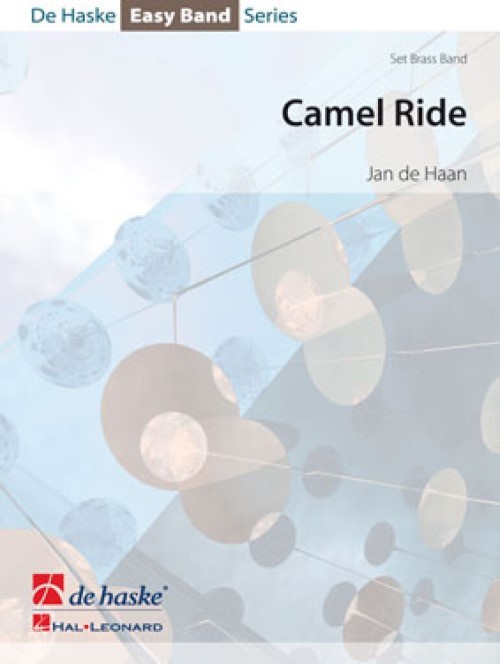
Camel Ride (Brass Band - Score and Parts) - De Haan, Jan
In Camel Ride you will experience the magic of a colourful Arabic caravan as it slowly passes by. With this short work for a flexible ten part instrumentation, composer Jan de Haan has brilliantly reflected the atmosphere of the parade and carefully capturing the mysticism of the East. Camel Ride will make a great interlude in your concert performances.Duration: 3:00
Estimated dispatch 7-14 working days
-
 £28.95
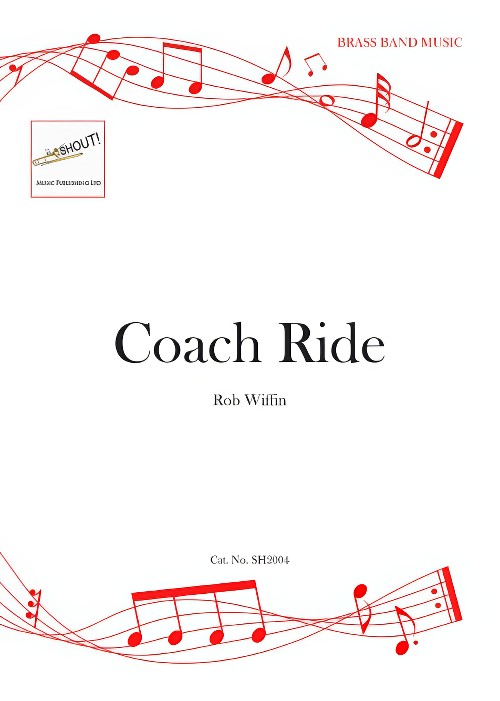
Coach Ride (Brass Band - Score and Parts) - Wiffin, Rob
Coach Ride is a manic journey on a bus. This fast and furious little piece in the style of Shostakovitch is a romp of a coach ride during which the nursery rhyme, The wheels on the bus go round and round, makes an appearance.Duration: 3.00
Estimated dispatch 7-14 working days
-
 £59.70
The Magic of the Beatles (Brass Band - Score and Parts) - Lennon & McCartney - Mabon, Cameron
Slightly reduced Brass Band instrumentation (no rep cornet, no 2nd horn, no 2nd trombone part)Includes:Ticket to Ride (intro)Ob-La-Di, Ob-La-DaA Hard Day's NightFool on the HillNorwegian WoodGet Back
Estimated dispatch 7-14 working days
-
£104.99
Theme Park Fun! - Wilco Moerman
In Theme Park Fun! your orchestra pays a visit to an amusement park. During your visit, you will experience some spectacular rides and attractions this theme park offers. The uniqueness of Theme Park Fun! is the interplay between music and(moving) images. Animations and illustrations support the visual composition (downloadable after ordering a set, on www.gobelinmusic.com).Part 1: The Entrance & Parade [with animation]The opening of the park is a fact. A day fullof fun and pleasure awaits! You and the other visitors will be confronted with all the rides, attractions and adventures the theme park has to offer. Which ride shall we do first?! There is so much to do and experience on this day in the park! Aparade of colorful floats and park figures is passing by.Let the fun begin!Part 2: The Haunted House [with animation]The only ride in the park that is not related to fun, is the Haunted House. Here visitors will be challengedto visit a house full of ghosts, creepy figures and other ominous things. The clock strikes twelve, there is no turning back. Ghosts are whispering, yelling, screaming... Fortunately it is almost one oclock, so we can leave this creepy placequickly.Part 3: The Swinging Galleon [with illustrations]What a huge pirate ship! Each time you swing back and forth, you will feel that weird feeling in your stomach. When you are thrown completely into the top you will have afantastic view over the park, but you can not enjoy it for long. Before you know the ship swings back the other way.Part 4: The Fairy Tale Ride [with illustrations]After all those exciting and spectacular rides and attractions,it is time for a peaceful tour in The Fairy Tale Ride. Surrounded by a fairytale setting, you will discover fable figures, talking animals and colorful designs. Such a beauty and tranquility. Having had this experience, we are ready again for thebig rides in the park!Part 5: The Bumper Cars [with illustrations]Now its time to crawl behind the wheel of the Bumper Cars! Shall we all chase the conductor?! Before you know you are hit by another visitor or you will bumpagainst someone else. In this tough ride you can prove yourself as a real driver, or perhaps as a really bad one.Part 6: The Roller Coaster [with illustrations]The largest, fastest and scariest ride in the park ... we shoulddefinitely do the Roller Coaster! All together in the train, the over-the-shoulder restraints are lowering... be ready to ride. The train leaves the station and is heading for the big lift hill. It will be very scary when the train reaches the topand the train will be plunged down the first drop! Loops, corkscrews and other spectacular coaster elements will follow... Before you know it, the ride of your life is over. Shall we ride it again?!Part 7: Leaving the Park [withanimation]Unfortunately everything comes to an end. This day in the theme park is over, but we have a lot new experiences to talk about! The memories of all the funny and spectacular rides will come up when we walk through the park to theexit. Just one look over the shoulder, the amusement park figures are waving at us. Hopefully we will come back again soon!
Estimated dispatch 5-14 working days
-
 £73.60
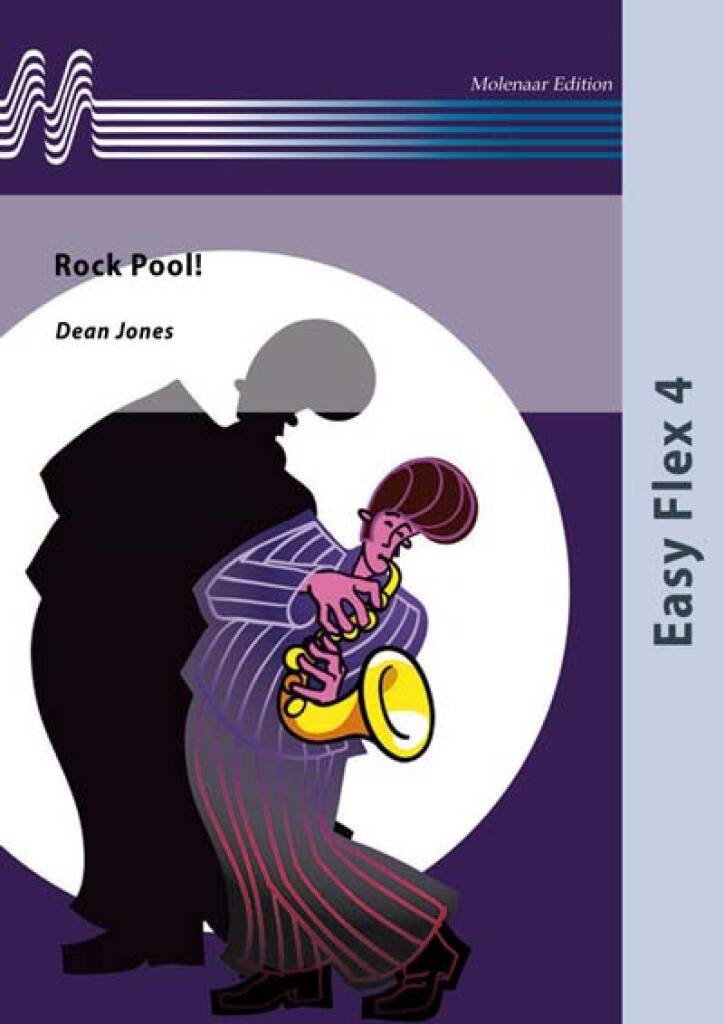
Rock Pool! - Dean Jones
This play-on-words title is a suite in 3 movements. Movement 1, called Pool Party has an element of funk before the more laid back and reflective Beach-side middle section. The final movement is a 60s rock 'n roll throwback (with a few modern touches!) called Surfs Up!, so enjoy the ride!
Estimated dispatch 5-14 working days
-
 £133.40
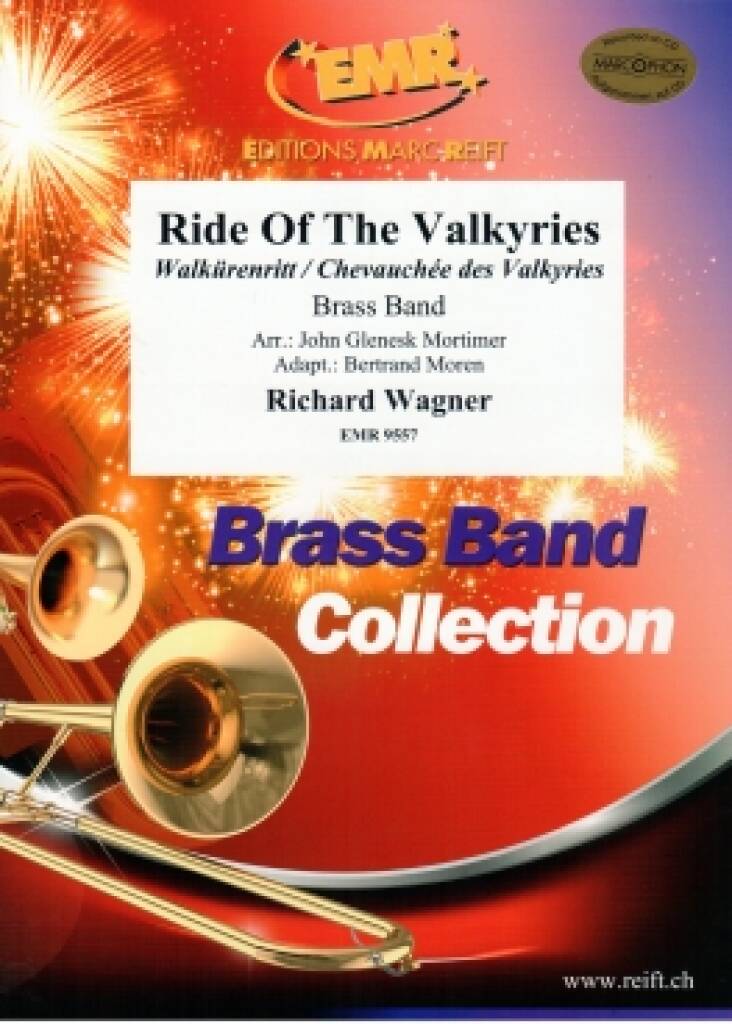
Ride Of The Valkyries - Richard Wagner - John Glenesk Mortimer
Estimated dispatch 5-14 working days
-
£35.00
RIDE OF THE VALKRIES (Wagner)
In Stock: Estimated dispatch 3-5 working days
-
 View Music