
Results
-
 £37.50
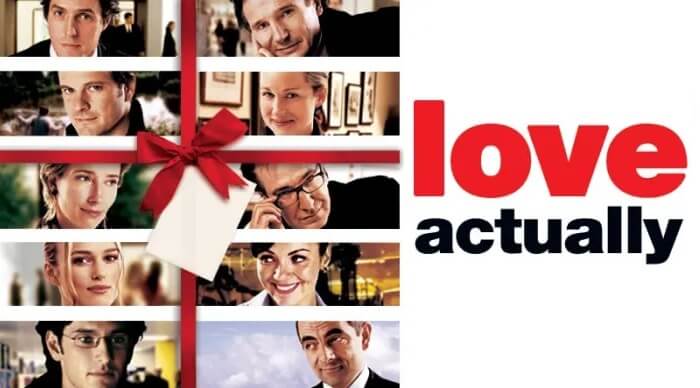
Love Actually - David Arnold - Gavin Somerset
This hit British comedy film set in the build up to Christmas, features just about every emotion you can imagine which helped to make it one of the most popular films of all time. With an all-star cast, the film is backed with a stunning soundtrack by David Arnold, tugging at the heartstrings and uplifting the audiences simultaneously. Also featured in this selection, is the title 'Christmas Is All Around Us' featuring the trombone section in this comic number. Beautifully arranged, this title is a must have for your festive concerts this year giving you a work that audiences will remember with the smiles, laughter and tears that the film evokes.
In Stock: Estimated dispatch 1-3 working days
-
 £29.50
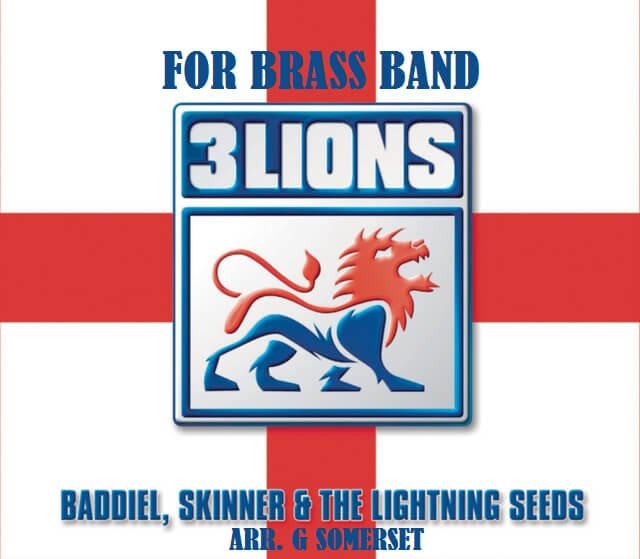
Three Lions - Baddiel & Skinner - Gavin Somerset
With the European Championships this Summer, the England football team's biggest ever anthem is a great feel good piece to get your audiences in the mood. With lyrics written by comedians David Baddiel and Frank Skinner, the music was composed by the rock band the Lightning Seeds. It was originally released back in 1996 to mark 'Euro 96' which was hosted in England. This iconic theme is the perfect addition to any programme during a major football competition and is instantly recognisable as one of the most popular pieces of all time. A must for every band's library.
In Stock: Estimated dispatch 1-3 working days
-
 £24.50
W.S.B. March - Gavin Somerset
After performing a number of arrangements by Gavin Somerset, the band commissioned him to compose for them, an original march that would serve as their signature tune for years to come. The march was composed in a light 6/8 time that would get passes by listening and audience's feet tapping along. Composed with a DC, this is optional and the finale of the march has a licence for a Grandioso and accelerando to give the work that flair for its finale. To download the Solo Cornet part, please CLICK HERE . To download the Solo Horn part, please CLICK HERE . To download the Solo Euphonium part, please CLICK HERE . To download the playback audio to play along to, please RIGHT CLICK HERE & Save As .
In Stock: Estimated dispatch 1-3 working days
-
£24.50
Sing For Victory - Various - Alan Beaumont
Nothing beats a good March, however this number is one with a difference. This perfect concert item takes three of the best well-known war-time songs and delivers them into a foot tapping entertaining item for your band and audience to enjoy. Featuring the popular numbers 'Pack up Your Troubles in Your Old Kit Bag', 'It's a Long Way To Tipperary' and 'Over There', your audience will have a hard time resisting the urge to sing along. A must for all bands in this year of commemoration and perfect for either the bandstand or concert hall.
In Stock: Estimated dispatch 1-3 working days
-
 £24.50
Christmas Lullaby - French Traditional - Lynda Nicholson
Based upon the French Christmas Carol, 'Whence Is That Goodly Fragrance?', this moving arrangement by Lynda Nicholson really allows a band to show off their soft and lyrical playing. In a time where Christmas concerts are awash with the traditional and festive tunes we all know and love, this item gives the chance for something beautiful and different. Giving moments for all sections of the band to enjoy, the big climax near the finale is a great way to treat your audience to something new this year.
In Stock: Estimated dispatch 1-3 working days
-
£29.50
So Amazing - Traditional - Jonathan Mead
'So Amazing', is a beautiful new hymn tune arrangement from the pen of Welsh Composer Jonathan Mead. The music would create a lovely moment in a concert, where the audience would have time for reflection. The title comes from the words that are often associated with this tune, 'Love so amazing, so divine,'. The tune used, is also well known in the brass band world as, 'The Water is wide'. The music is lovely to play as well as listen to. A must for any Concert Programme.
In Stock: Estimated dispatch 1-3 working days
-
 £24.50
Christmas Jig - Naomi Styles
With a different take on the traditional Christmas medley, this jolly selection takes several well-known Christmas carols written in 6/8 time and puts them in the style of a gleeful jig. Featuring In Dulci Jubilo, On Christmas Night, I Saw Three Ships, Christ was Born on Christmas Day & Here we Come a-Wassailing, the piece is a great workout for the band, whilst audiences will struggle to remain still throughout in this lively piece.
In Stock: Estimated dispatch 1-3 working days
-
£24.50
Duke Street - David Holling
Originally written during David's time as MD of Strata Brass, this lively concert march frequently featured in the band's programmes and its title comes from the street on which you would find the band rehearsing; as they have for some 30+ years. A great 3-minute opener to any concert without the need to DC!
In Stock: Estimated dispatch 1-3 working days
-
£24.50
Mallyan - Alan Beaumont
Mallyan is an area in Gaothland (Heartbeat Country) and at the bottom of a lovely walk is a 70ft waterfall called Mallyan Fall. This is a standard 6/8 march with a bass solo in 2/4 time.
In Stock: Estimated dispatch 1-3 working days
-
 £54.95
WORLD WITHIN, A (Brass Band Parts) - Scott, Andy
Brass Band parts only. 'A World Within' is a one-movement work that starts with a simple theme stated by the Soprano Cornet before an ostinato figure in 6/8 time emerges (Vibraphone, Horns and muted 2nd and 3rd Cornets) over which firstly Solo Cornet, and then both Solo Cornets (1 & 2), play a sustained melody. A shift between major and minor harmonies characterises the 'B' section, before making way for a virtuosic Flugel solo. When the Flugel leaves centre stage the front line Cornets take over, leading to a full bodied reprise of the 'B' section. The low brass bridge the gap between what is in effect the end of the first main section of the piece and the second section. The constant time shift between 3/4 and 6/8 that has been prevalent through-out 'A World Within', re-emerges towards the end of the 'slow, heavy blues' section, leading into an intricate almost fugue-like passage (Horn and Baritone leading the way). Out of this comes a short transitional bridge section that leads us back to the (transposed) original 6/8 time theme and feel, this time scored with a bold directness that leads to a powerful 2/4 time passage. The climax of 'A World Within' is heralded by one dark and dissonant chord that is repeated three times. A flashback moment occurs where the 'hymn' is stated (muted Cornets) in a bitonal harmonic world. A final statement emerges from the denseness of sound, a re-working of the initial theme (Solo Cornet), with the last work being left to Solo Eb Bass. Dur: 13:00
Estimated dispatch 7-14 working days
 View Music
 Listen to MP3