
Results
-
.jpg) £64.95
£64.95Partita (Brass Band - Score and Parts)
Selected as the Section 4 test piece for the National Brass Band Championships of Great Britain 2025Partita dates from 1971, when it was commissioned by the Redbridge Youth Band. The musical thread that runs through the work is the 13th century plainsong Dies Irae from the Requiem Mass. This gives the work a rather sombre tone which is audible right from the start of its first movement Intrada. The initial hammer-like chords of the opening and conclusion are only interrupted momentarily by a more lyrical modal tune. Even here, on its repetition, it is surrounded by more insistent textural patterns.The second movement, Chorale and Variations, uses the Dies Irae as the basis for an extended melody in the manner of a baroque sarabande. The five variations that follow are varied in texture, tempi, and dynamics. The final March is more optimistic in mood and presents as its main idea a rather jaunty theme which gets developed throughout the movement. However, the ominous presence of the Dies Irae has the last say with a final statement to round off the work.Duration: 11.00
Estimated dispatch 7-14 working days
-
£32.50
Partita (Brass Band - Score only)
Selected as the Section 4 test piece for the National Brass Band Championships of Great Britain 2025Partita dates from 1971, when it was commissioned by the Redbridge Youth Band. The musical thread that runs through the work is the 13th century plainsong Dies Irae from the Requiem Mass. This gives the work a rather sombre tone which is audible right from the start of its first movement Intrada. The initial hammer-like chords of the opening and conclusion are only interrupted momentarily by a more lyrical modal tune. Even here, on its repetition, it is surrounded by more insistent textural patterns.The second movement, Chorale and Variations, uses the Dies Irae as the basis for an extended melody in the manner of a baroque sarabande. The five variations that follow are varied in texture, tempi, and dynamics. The final March is more optimistic in mood and presents as its main idea a rather jaunty theme which gets developed throughout the movement. However, the ominous presence of the Dies Irae has the last say with a final statement to round off the work.Duration: 11.00
Estimated dispatch 7-14 working days
-
 £15.99
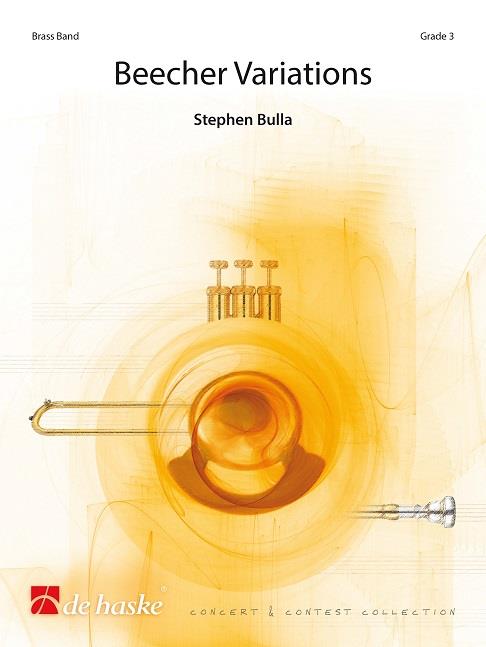
Beecher Variations (Brass Band - Score only)
In this beautiful composition, melodic fragments of the hymn tune Beecher are morphed into a series of variations, showing the melody in various moods from expressive, then quiet and soft, to bright and triumphant in the end. Written as a test piece in the 4th division for the Dutch Brass Band Championships in 2015, the music features challenging solo parts for cornet, soprano cornet, flugelhorn and euphonium. A great work for the concert or contest stage!Duration: 12.00
Estimated dispatch 7-14 working days
-
 £59.95
Ballet for Band (Brass Band - Score and Parts)
1st Section Test Piece 2016 National Finals of the British Brass Band Championship. Recorded on Polyphonic DPRL901D Joseph Horovitz (The Brass Band Music of)
Estimated dispatch 7-14 working days
-
 £44.95
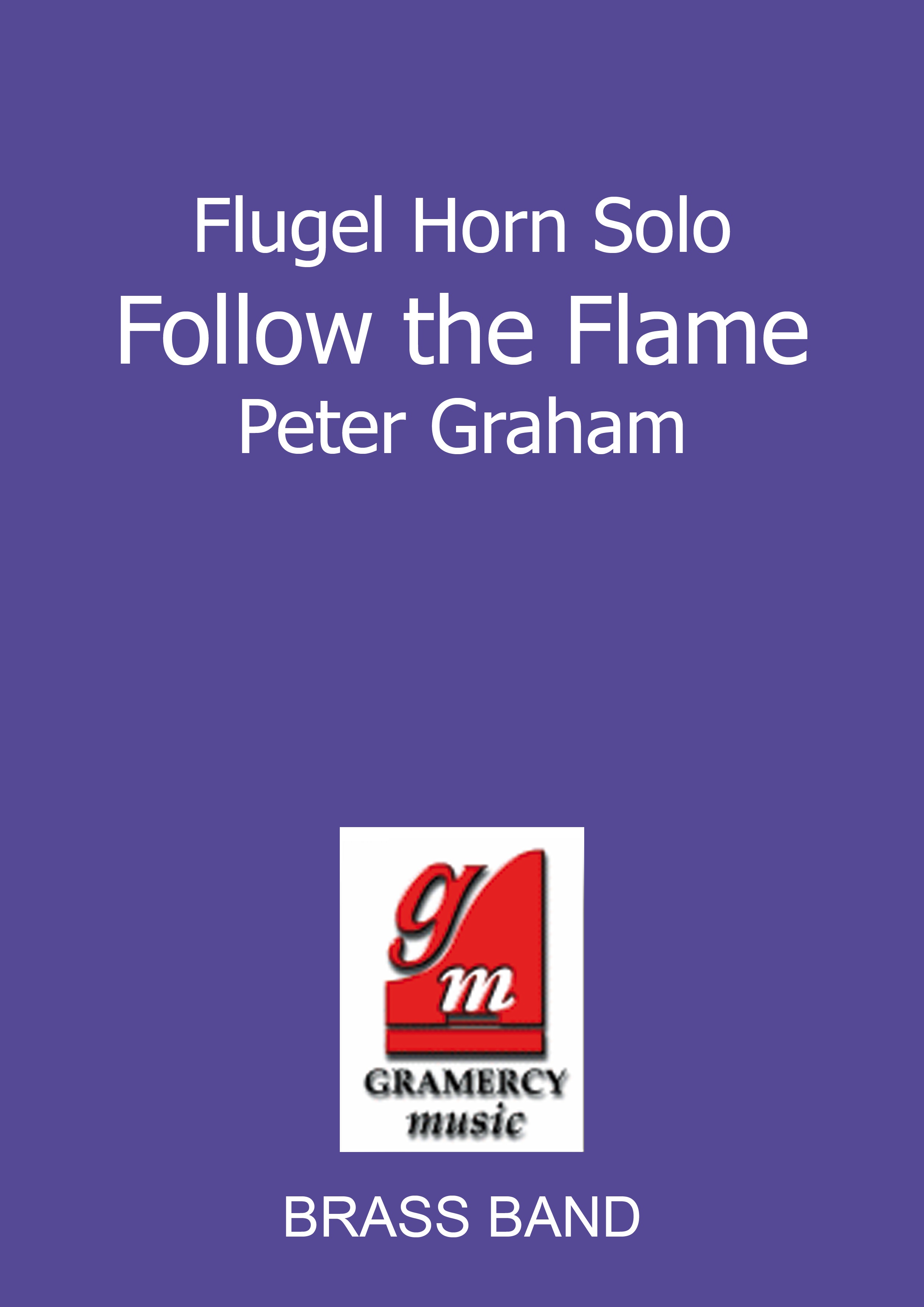
Follow the Flame (from the Torchbearer) (Flugel Horn or Cornet Solo with Brass Band)
The Torchbearer was commissioned as the test piece for the 2009 National Brass Band Championships of Great Britain and the FABB Open Contest respectively and pays musical tribute to Eric Ball, considered by many to be the 20th century's most influential composer of brass band music. The thematic material is derived from the first phrase of the trio from Eric Ball's Salvation Army march, Torchbearers.Follow the Flame is a main theme from the larger work, now fully metamorphosised and mirroring in music a concept at the centre of Ball's broader philosophy, that of transformation.
Estimated dispatch 7-14 working days
-
 £102.99
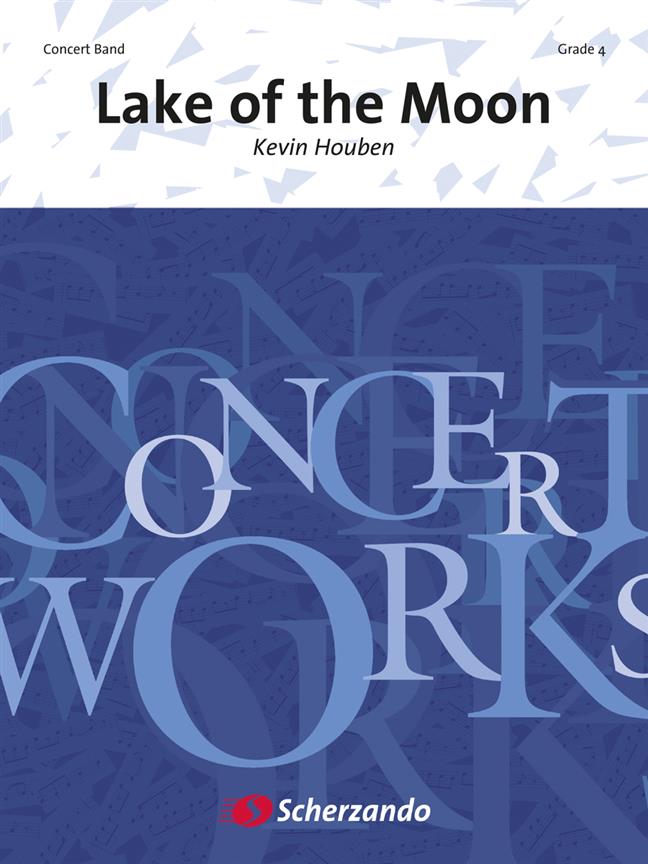
Lake of the Moon (Brass Band - Score and Parts)
3rd Section Test Piece 2016 National Finals of the British Brass Band Championship.The travels of the Aztec people as they headed south through North America looking for a new home, acted as the inspiration for Lake of the Moon. The composition contains small fragments of Oriental music and South American rhythms and occasionally, Russian Cossacks seem to raise their heads. The journey from North to South is not without danger, which is represented by threatening sounds within the music. In the Adagio divoto the composer takes us along to the Texcoco Lake, which the Aztecs called the lake of the moon. Bring a little bit of South American history to your concert with Lake of the Moon.Duration: 11:15
Estimated dispatch 7-14 working days
-
 £144.99
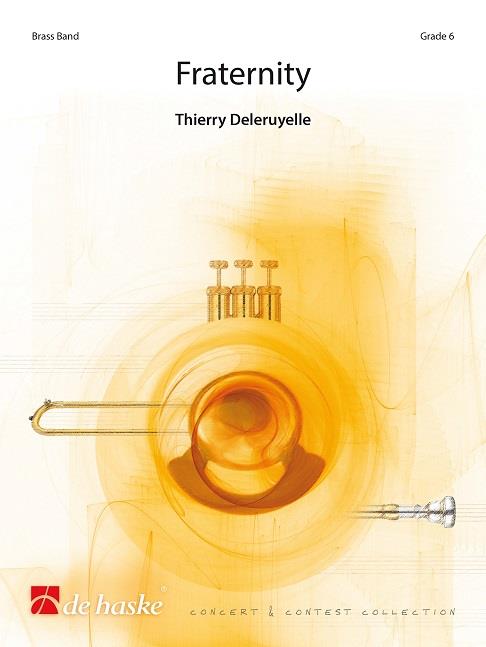
Fraternity (Brass Band - Score and Parts)
This piece by Thierry Deleruyelle is based on one of the most significant events in the history of coal mining; the catastrophe at Courrieres, Northern France. It took place on 10th March 1906 and is considered the most momentous mining accident in Europe and the second most significant in the world. This work is both emotional and spectacular and tells in 7 contrasting sections the catastrophe that occurred. Fraternity was the test piece in the Champion category at the European Brass Band Competition 2016 in Lille, thus commemorating 110 years since the disaster at Courrieres.Duration: 15:45
Estimated dispatch 7-14 working days
-
£26.99
Fraternity (Brass Band - Score Only)
This piece by Thierry Deleruyelle is based on one of the most significant events in the history of coal mining; the catastrophe at Courrieres, Northern France. It took place on 10th March 1906 and is considered the most momentous mining accident in Europe and the second most significant in the world. This work is both emotional and spectacular and tells in 7 contrasting sections the catastrophe that occurred. Fraternity was the test piece in the "Champion" category at the European Brass Band Competition 2016 in Lille, thus commemorating 110 years since the disaster at Courrieres.Duration: 15:40
Estimated dispatch 7-14 working days
-
£11.99
Fraternity (Brass Band - Study Score)
This piece by Thierry Deleruyelle is based on one of the most significant events in the history of coal mining; the catastrophe at Courrieres, Northern France. It took place on 10th March 1906 and is considered the most momentous mining accident in Europe and the second most significant in the world. This work is both emotional and spectacular and tells in 7 contrasting sections the catastrophe that occurred. Fraternity was the test piece in the Champion category at the European Brass Band Competition 2016 in Lille, thus commemorating 110 years since the disaster at Courrieres.Duration: 15.40
Estimated dispatch 7-14 working days
-
£96.99
Beecher Variations (Brass Band - Score and Parts)
In this beautiful composition, melodic fragments of the hymn tune Beecher are morphed into a series of variations, showing the melody in various moods from expressive, then quiet and soft, to bright and triumphant in the end. Written as a test piece in the 4th division for the Dutch Brass Band Championships in 2015, the music features challenging solo parts for cornet, soprano cornet, flugelhorn and euphonium. A great work for the concert or contest stage!Duration: 12.00
Estimated dispatch 7-14 working days