
Results
-
 £29.50
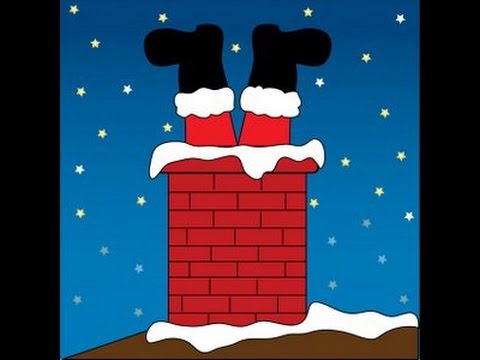
When Santa Got Stuck Up The Chimney - Jimmy Grafton - Naomi Styles
The thought of a trombone player getting stuck up the chimney is sure to raise a few chuckles at your Christmas concerts - particularly if dressed up! This novelty item arranged by Naomi Styles, is a great choice for bands looking for a new, light-hearted solo during the festive season this year. A relaxed Cadenza for the soloist also encourages them to strain for the notes aA" as they're stuck up a chimney! This item would also work as a Euphonium or Baritone solo. A must for all bands this year that are looking to expand their festive repertoire.
In Stock: Estimated dispatch 1-3 working days
-
 £29.50
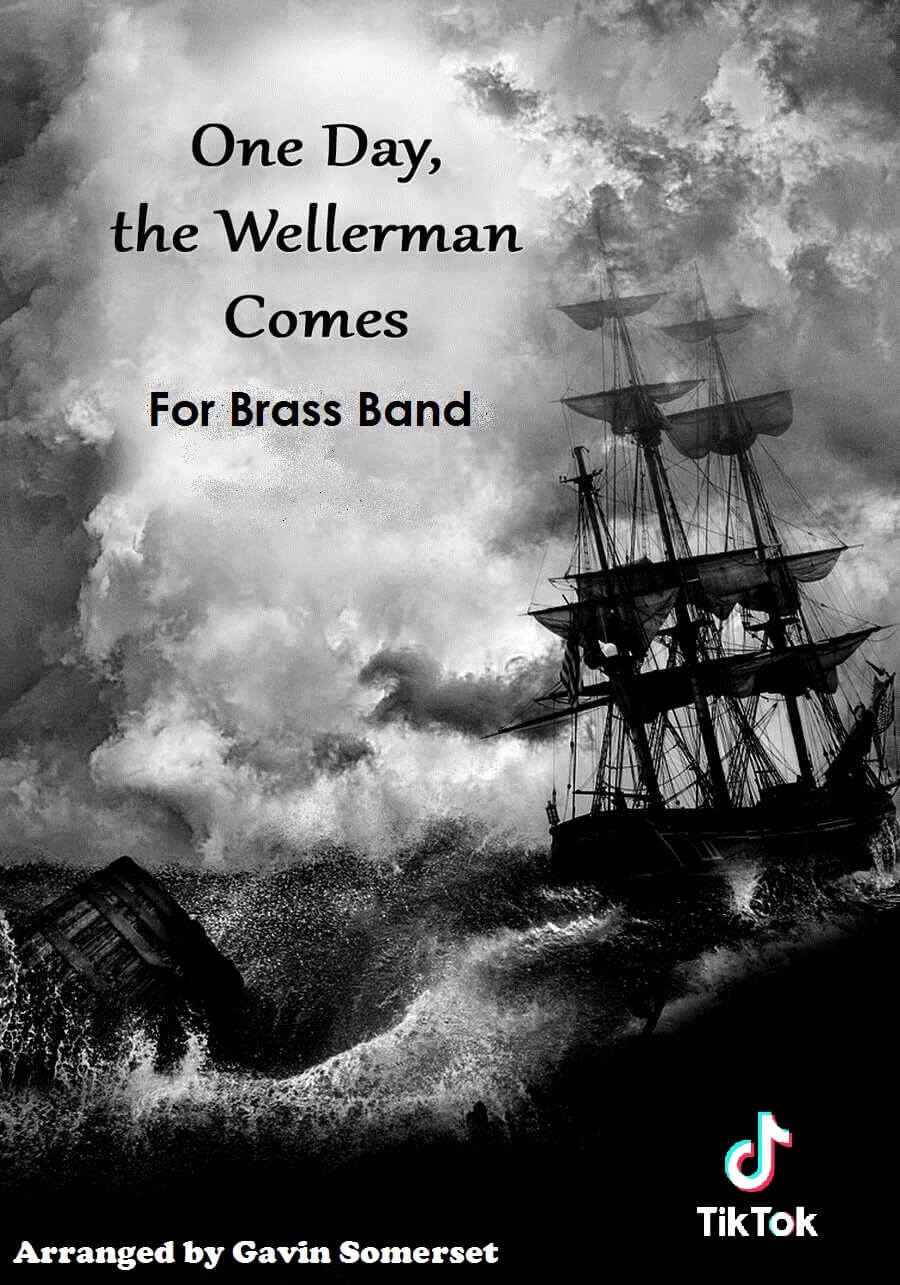
The Wellerman - Traditional - Gavin Somerset
This traditional Whaling song went viral around the world on social media platform TikTok during the Covid-19 lockdown in early 2021. Starting with a lone voice, more and more singers & instrumentalists began adding their harmonies and improvisations to the melody until, there were literally hundreds of people all working together to create a global voice, including some big name celebrities. This release allows your band to recreate the viral hit and when back on stage, add your own choreography and optional singing with this shanty that has found a new appreciation amongst younger audiences and reflects the hard times many faced during the covid lockdown. To download the playback audio to play along to, please RIGHT CLICK HERE & Save As .
In Stock: Estimated dispatch 1-3 working days
-
£24.50
Northwold - The ELB March - William Elsom
Sub-titled "The ELB March" as it was composed for the East London Brass band, this is a nice catchy march, ideal for the opening of a concert or 2nd half opener to a concert.
In Stock: Estimated dispatch 1-3 working days
-
 £37.50
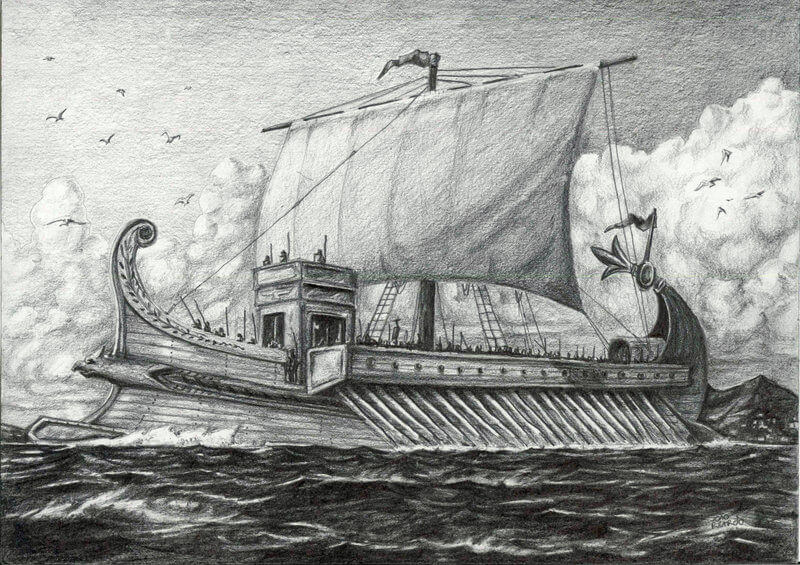
Sketches from the Galley - Nick Brocklehurst
Sketches From the Galley takes audiences on a swashbuckling pirate adventure, evoking images of cannon-fire, pirate ships and jaunty merriment through its contrasting "sketches". The work was commissioned as a concert item for Elland Silver Band, and was premiered at their summer concerts in 2017 around Yorkshire. Composed by Elland Silver Band's Composer-in-Residence, Nick Brocklehurst, this thrilling piece provides a fun challenge that showcases the entire band, and guarantees to please audiences with its catchy melodies.
In Stock: Estimated dispatch 1-3 working days
-
£29.50
The Children's Sweet - Ron Glynn
This work is a "Sweet" (A pun on Suite) containing three Children's Nursery Songs, including "Girls and Boys come out To Play" "Oh Dear What can the matter be and "The Grand Old Duke of York" feature a Flugel Horn and a Eb Bass Solos.Ideal concert item with children in the audience.
In Stock: Estimated dispatch 1-3 working days
-
£24.50
The Humming Chorus - Puccini - Alan Beaumont
This most beautiful piece from Puccini's opera Madame Butterfly has been wonderfully arranged for a brass band of any standard to perform to perfection. Simple and well structured, whether it is performed to a full concert hall, or on a bandstand in the park, audiences everywhere will appreciate this lovely piece.
In Stock: Estimated dispatch 1-3 working days
-
£37.50
In The Steppes Of Central Asia - Borodin - Geoff Colmer
This wonderful work has been very skillfully arranged for Brass Band. Some very controlled playing will be required so perform this stunning work that is dedicated to Franz Liszt, containing a simply gorgeous melody that runs throughout the piece. A welcome addition to any bands library.
In Stock: Estimated dispatch 1-3 working days
-
 £90.00
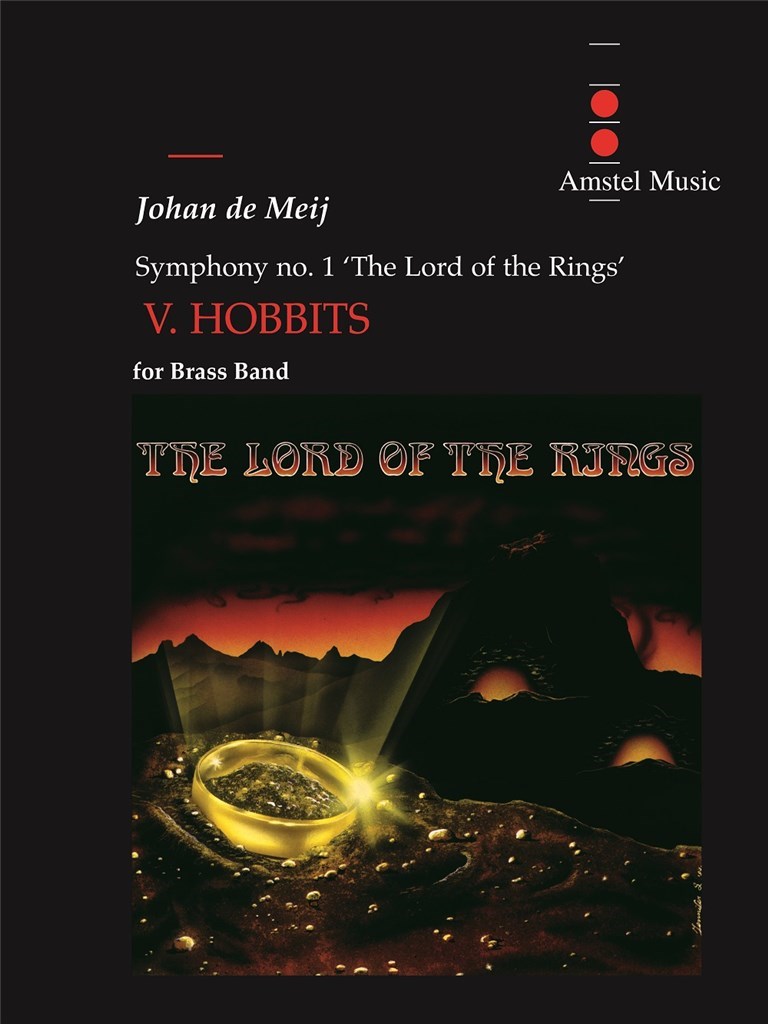
Hobbits (from Symphony No.1: The Lord of the Rings) (Brass Band - Score and Parts) - De Meij, Johan
Johan de Meij's first symphony The Lord of the Rings is based on the trilogy of that name by J.R.R. Tolkien. This book has fascinated many millions of readers since its publication in 1955. The symphony consists of five separate movements, each illustrating a personage or an important episode from the book. This transcription for brass band has been arranged by the composer. The symphony was written in the period between March 1984 and December 1987, and had its premiere in Brussels on 15th March 1988, performed by the The Royal Band ofthe Belgian Guides under the baton of Norbert Nozy. In 1989, the symphony The Lord of the Rings was awarded a first prize in the Sudler International Wind Band Composition Competition in Chicago, and a year later, the symphony was awarded a grant by the Dutch Composers Fund. In 2001, the orchestral version was premiered by the Rotterdam Philharmonic Orchestra and recorded by the London Symphony Orchestra. Duration: 9.00
Estimated dispatch 7-14 working days
-
 £90.00
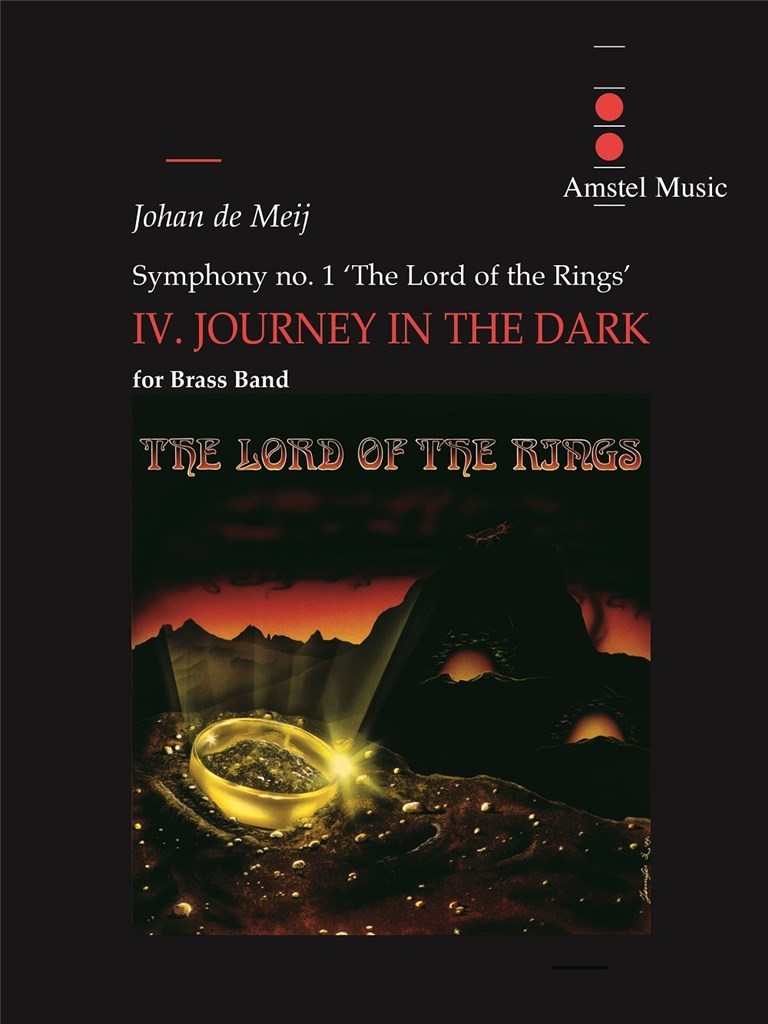
Journey in the Dark (from Symphony No.1: The Lord of the Rings) (Brass Band - Score and Parts) - De Meij, Johan
Johan de Meij's first symphony The Lord of the Rings is based on the trilogy of that name by J.R.R. Tolkien. This book has fascinated many millions of readers since its publication in 1955. The symphony consists of five separate movements, each illustrating a personage or an important episode from the book. This transcription for brass band has been arranged by the composer. The symphony was written in the period between March 1984 and December 1987, and had its premiere in Brussels on 15th March 1988, performed by the The Royal Band ofthe Belgian Guides under the baton of Norbert Nozy. In 1989, the symphony The Lord of the Rings was awarded a first prize in the Sudler International Wind Band Composition Competition in Chicago, and a year later, the symphony was awarded a grant by the Dutch Composers Fund. In 2001, the orchestral version was premiered by the Rotterdam Philharmonic Orchestra and recorded by the London Symphony Orchestra. Duration: 9.00
Estimated dispatch 7-14 working days
-
 £83.00
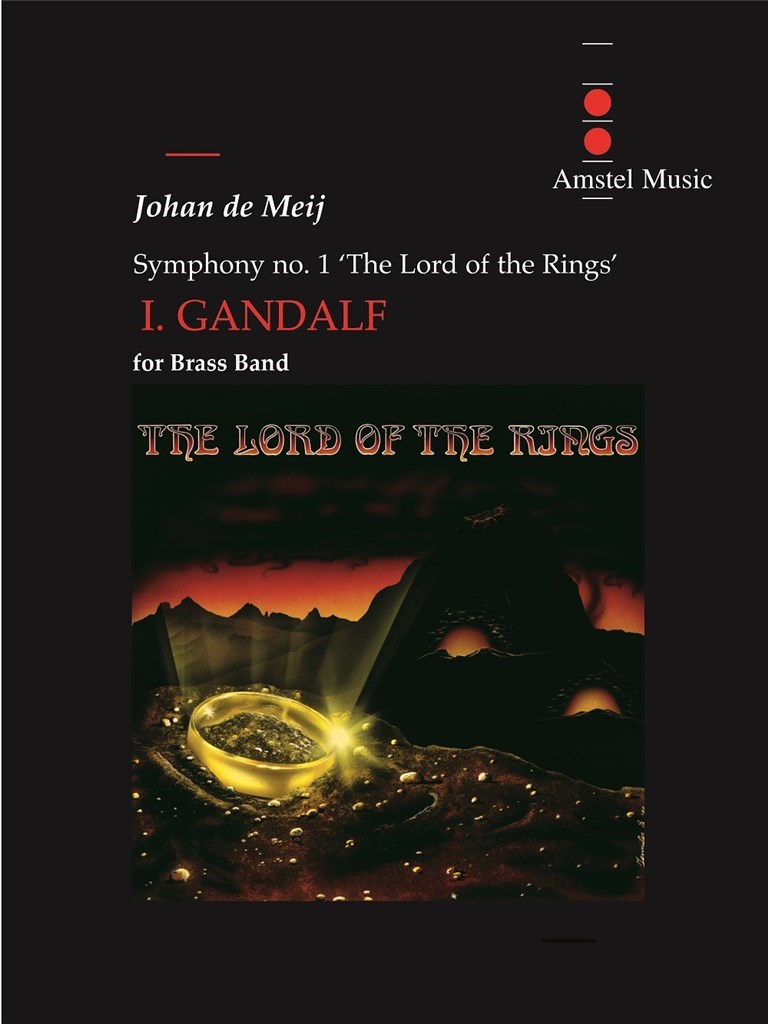
Gandalf (from Symphony No.1: The Lord of the Rings) (Brass Band - Score and Parts) - De Meij, Johan
Johan de Meij's first symphony The Lord of the Rings is based on the trilogy of that name by J.R.R. Tolkien. This book has fascinated many millions of readers since its publication in 1955. The symphony consists of five separate movements, each illustrating a personage or an important episode from the book. This transcription for brass band has been arranged by the composer. The symphony was written in the period between March 1984 and December 1987, and had its premiere in Brussels on 15th March 1988, performed by the The Royal Band ofthe Belgian Guides under the baton of Norbert Nozy. In 1989, the symphony The Lord of the Rings was awarded a first prize in the Sudler International Wind Band Composition Competition in Chicago, and a year later, the symphony was awarded a grant by the Dutch Composers Fund. In 2001, the orchestral version was premiered by the Rotterdam Philharmonic Orchestra and recorded by the London Symphony Orchestra. Duration: 6.30
Estimated dispatch 7-14 working days
 View Music
 Listen to MP3