
Results
-
 £35.00
Music Through The Ages - Steve Robson
A fun and educational collection of 7 pieces created by Steve Robson, with optional narration, providing a time-travelling journey through the history of 2000 years of music to the present time.Originally written for Stanhope Youth Band, the piece has now been well received by other youth bands far and wide. The complete work offers great flexibility too, as te movements can be used as stand-alone items or as a full concert performance, offering players and audiences an insight to the evolving styles of Music Through The Ages.Movements include:FanfareThe Passing of the VIth Legion A Patrol - Imagining the sound of the Roman Legion at Vindolanda (AD84)The Journey of St Cuthbert - A Plainchant (995)The Honorable Robert Shafto MP - Late Baroque Style (1749)The Very Capable Mr Mozart Classical Style - Rondo (1786)Sans Pareil March - Tribute to Timothy Hackworth and George Allan (1913)The Angel of the North - Contemporary composition (Present day)Watch a full performance below of the pieces, including narration. This was a collaborative performance project, presented by members of different youth bands from across the North East on Saturday 13 November 2018 in the Theatre at Ushaw College, Durham.(NB: The piece Galliard, performed at 12mins 22secs into the video, was specially written for the concert and is not included in this collection.)Look and Listen (with thanks to all participating youth bands and supporting players):Set includes score (with narration), separately bound narration (enable a choice of either compere/conductor presentation) and parts including:Cornet 1Cornet 2Corent 3FlugelhornEb Tenor Horn 1Eb Tenor Horn 2Baritone 1Baritone 2Trombone 1Trombone 2Bass TromboneEuphoniumEb BassBb BassTimpaniPercussionAdditional world parts also provided include F Horn 1, F Horn 2, Trombone 1 in Bass Clef, Trombone 2 in Bass Clef.
In Stock: Estimated dispatch 3-5 working days
-
 £15.00
Celtic Lullaby - Helen Douthwaite
An original composition by Helen Douthwaite for solo baritone, euphonium or trombone with brass band (reduced score) accompaniment.The piece was written with training/junior band level players in mind, and offers a great opportunity to spotlight a soloist through this moment of musical beauty.Set includes score and parts for:Soloist - Euphonium/Baritone/TromboneCornet 1Cornet 2Eb Tenor Horn 1Eb Tenor Horn 2Trombone 1Trombone 2Baritone/EuphoniumEb Bass (optional)GlockenspielPercussion
In Stock: Estimated dispatch 3-5 working days
-
 £50.90
Concerto for Two Trumpets (10 Piece Brass Ensemble)
Solo parts included: Trumpets in A and Trumpets in CParts included for:Part 1: Bb Trumpet or Bb Cornet and Eb Trumpet or Eb CornetPart 2: Bb Trumpet or Bb CornetPart 3: Bb Trumpet or Bb CornetPart 4: Bb Trumpet or Bb Cornet or Flugel HornPart 5: F Horn or Eb HornPart 6: Trombone (BC) or Trombone (TC)Part 7: Trombone (BC) or Trombone (TC)Part 8: Trombone (BC) or Trombone (TC)Part 9: Bass Trombone (BC) or Bass Trombone (TC)Part 10: C Tuba or Eb Bass or Bb BassPercussion
Estimated dispatch 7-14 working days
-
 £39.99
Amid the Cold Of Winter- The Rose ("Es ist ein Ros entsprungen")
ABOUT THIS PIECE: Introduce a touch of elegance to your Christmas programme with Amid the Cold of Winter - The Rose, a beautiful arrangement of the traditional carol Es ist ein Ros entsprungen (Lo, How a Rose E'er Blooming). This cherished melody dates back to the late 16th century and has been celebrated for its gentle beauty and profound sense of reverence. Its origins in German sacred music have made it a favourite across centuries, embodying the spirit of hope and renewal. This arrangement, crafted for quartet with brass band accompaniment, enhances the carol's delicate charm while providing a fresh, rhythmic and gentle take on the accompaniment and overall feel. Perfect for seasonal concerts, or gentle and reflective moments in your programme, this piece allows a quartet of soloists to shine. ENSEMBLE: Quartet (soprano cornet, repiano cornet, solo tenor horn & solo baritone) with Standard British Brass Band. For information: As only two solo cornets are required, it is suggested that remaining cornet player play additional percussion. Soprano part available in Bb to be played by Bb cornet. Solo Horn part available in Bb to be played by trombone (trombone part available in Eb to be played by tenor horn in this scenario). WHEN YOU BUY THIS PRODUCT, YOU GET: High-quality printed score and parts LEVEL: 1 LISTEN: DURATION: c. 4-minutes EXAMPLE SCORE: Click here LEVEL GUIDE: Level 1- Accessible to all Level 2 - c. UK third section and higher Level 3 - c. UK second section and higher Level 4 - c. UK first section and higher Level 5 - c. UK championship section level
Estimated dispatch 5-7 working days
-
 £19.95
Timepiece (Brass Quartet)
For brass quartet (2 Trumpets/Cornets, Horn Eb and Euphonium). Commissioned for the 1994 Swiss Quartet Championships. (Horn in F and Euphonium bass clef parts included).
Estimated dispatch 7-14 working days
-
£34.95
GYMNOPEDIE No.1 (Brass Band Set) - Satie - Brian Bowen
This is a transcription for brass band of the first, and most well-known, of Erik Satie's three Gymnopedies for piano which were composed in 1888. All three are similar melodically and pianistically. However, the first and last are more well-known, partly due to the later orchestrations by Debussy. Tenor Horn and Eb Bass mutes are requested by the arranger and will enhance the transcription if available.
Estimated dispatch 7-14 working days
-
 £34.95
Judd: Gymnopedie
This is a transcription for brass band of the first, and most well-known, of Erik Satie's three Gymnopedies for piano which were composed in 1888. All three are similar melodically and pianistically. However, the first and last are more well-known, partly due to the later orchestrations by Debussy. Tenor Horn and Eb Bass mutes are requested by the arranger and will enhance the transcription if available.
Estimated dispatch 7-14 working days
-
 £29.50
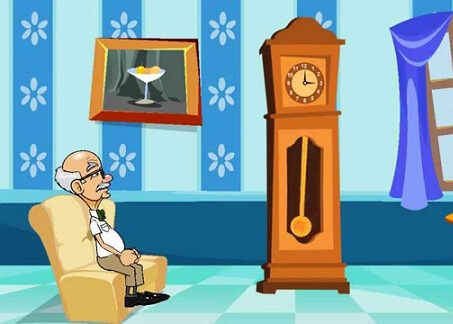
Grandfather's Clock - G Doughty - Gavin Somerset
One of the most popular Euphonium solos in the Brass Band repertoire has now been transcribed and re-arranged for the Eb Instruments of the band. Originally arranged for Michelle Ibbotson on Soprano for Black Dyke, this transcription makes the solo perfect for Soprano Cornet, Tenor Horn or even Eb Bass. New percussion parts have also been added for this arrangement. Most bands have the original Euphonium solo in their library, and now is the chance to revive this old classic in a new light, with new soloists.
In Stock: Estimated dispatch 1-3 working days
-
 £37.50
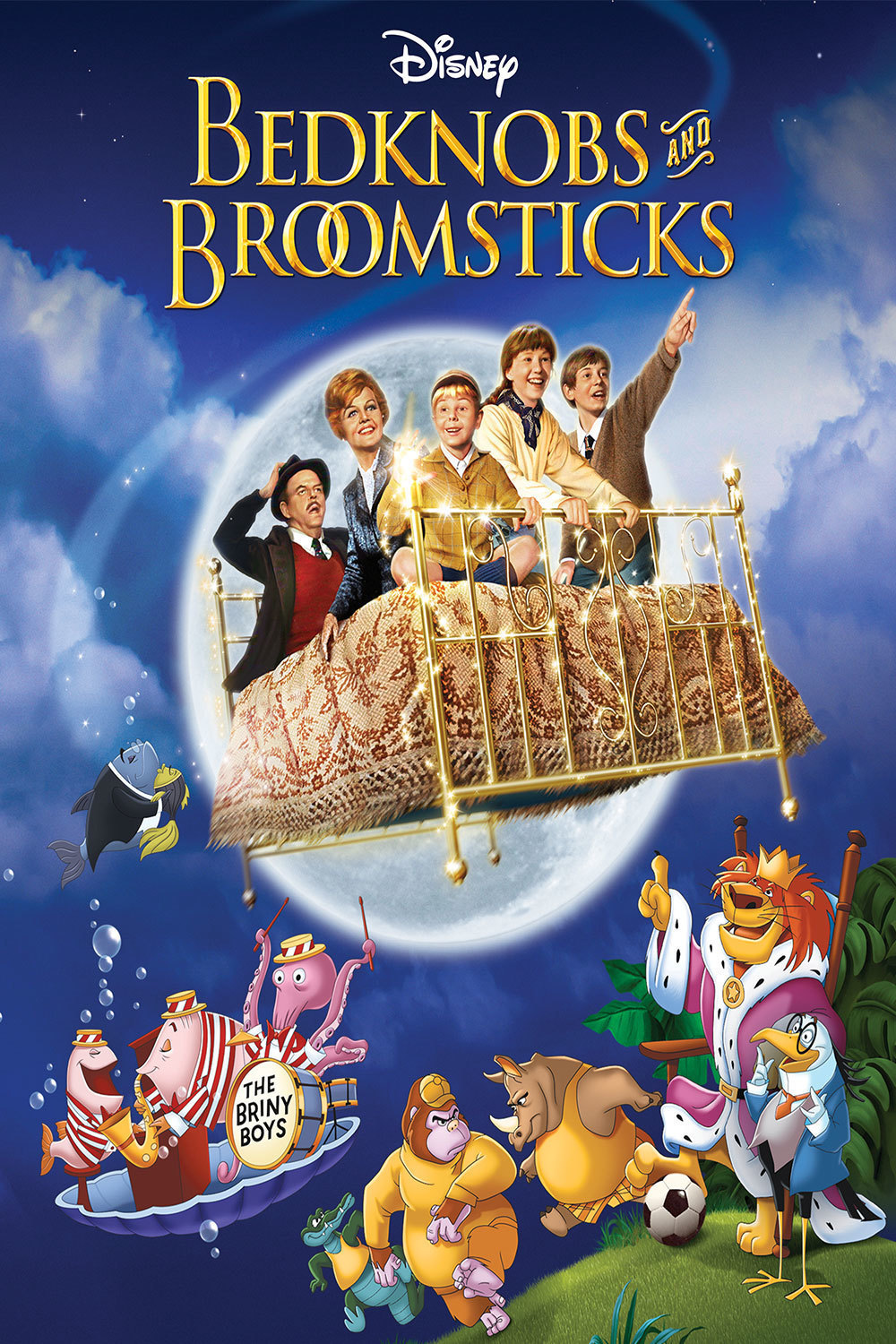
Bedknobs & Broomsticks - Sherman & Sherman - Gavin Somerset
After the success of Mary Popping in 1964, Disney once again had a hit on their hands seven years later with the release of 'Bedknobs & Broomsticks'. Set in 1940, the film told the story of Eglantine Price, a spinster who was learning the ways of witchcraft to help Britain with the War effort. Richard & Robert Sherman provided another excellent score, with memorable songs that now for the first time, are available for Brass Band. This toe-tapping new work features The Old Home Guard, The Age of Not Believing, Portabello Road and, The Beautiful Briny Sea (with added bubbles!). Audiences of all ages will appreciation this title and is a great addition to any concert programme. Whilst rehearsals are suspended due to Covid-19, we are making some parts available to download FREE for home use and practice, alongside a downloadable backing track to play along to. To download the Solo Cornet part, please CLICK HERE . To download the Solo Horn part, please CLICK HERE . To download the Solo Euphonium part, please CLICK HERE . To download the Eb Bass part, please CLICK HERE . To download the playback audio to play along to, please RIGHT CLICK HERE & Save As .
In Stock: Estimated dispatch 1-3 working days
-
 £29.50
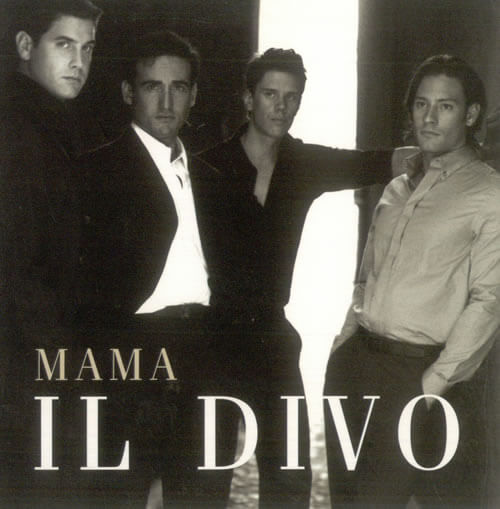
Mama - Kotecha - Johnathan Bates
"Mama" was the first original song that was performed by the male operatic group, Il Divo. Put together by Simon Cowell, his search for 4 young singers took over 2 years before the group was finally put together. Performing lyrical songs in their operatic style worldwide and achieving number 1 hits here in the UK, Johnathan Bates has now arranged this moving number as a Eb Horn solo (would also work as a soprano solo). A heart-warming melody and a perfect addition to any bands repertoire.
In Stock: Estimated dispatch 1-3 working days
 View Music