
Results
-
 £37.50
Italien Euphoniem - Gavin Somerset
Occasionally, a solo comes along that allows the performer to show off their skill, whilst allowing the band a licence to enjoy themselves too. From the pen of Gavin Somerset comes a solo that takes all the 'bravissimo' of the great Italian composers and delivers a piece that both the audience and performers can enjoy. This original work is written with tongue placed firmly in cheek in this playful, light-hearted take on Italian music with a built in fun factor. The work is a must for both Euphonium soloists and bands looking to add a playful item to their programme To download the playback audio to play along to, please RIGHT CLICK HERE & Save As .
In Stock: Estimated dispatch 1-3 working days
-
 £29.50
A Touch of Brass - Gavin Somerset
Starting with a scottish style dance, this piece explores the versatility of the Brass Band. From Scherzo to Swing, this piece has them all, an audience pleaser and one for all the band to stay alert in, and the conductor to add their own interpretations. The percussion section also has a busy part to play (altough the Timpani & Xylo/Glock parts can be omitted). An ideal concert item for all concerned. To download the Solo Cornet part, please CLICK HERE . To download the Solo Horn part, please CLICK HERE . To download the Solo Euphonium part, please CLICK HERE . To download the playback audio to play along to, please RIGHT CLICK HERE & Save As .
In Stock: Estimated dispatch 1-3 working days
-
 £37.50
Willy Wonka (Selections From) - Leslie Bricusse & Anthony Newman - Gavin Somerset
Few people have not seen the 1971 film starring Gene Wilder as the eccentric chocolatier, offering tours of his chocolate factory to those lucky enough to find the hidden golden ticket. Whilst initialy a box office failure, the film went on to become a favourite in households across the world, years after its initial release. Now for the first time, your band can enjoy the music from the film in this selection that includes 'Golden Ticket', 'The Candy Man' and of course, the unforgettable 'Pure Imagination'. The music of Leslie Bricusse & Anthony Newley has been a hit for many years and continues to make TV and radio appearances. 'The Candy Man' was perhaps best known when covered by Sammy Davis Jr where it made it to number one in the USA. 'Pure Imagination' has been used countless times in adverts in the media and more recently, recorded by Jamie Callum for his album 'Momentum'. 'Pure Imagination' can also be performed as a stand-alone item. This is truly an all-time classic filled with a feast of musical variety that fits well into just about any concert. A must for all band libraries. To download the Solo Cornet part, please CLICK HERE . To download the Solo Horn part, please CLICK HERE . To download the Solo Euphonium part, please CLICK HERE . To download the playback audio to play along to, please RIGHT CLICK HERE & Save As .
In Stock: Estimated dispatch 1-3 working days
-
 £29.50
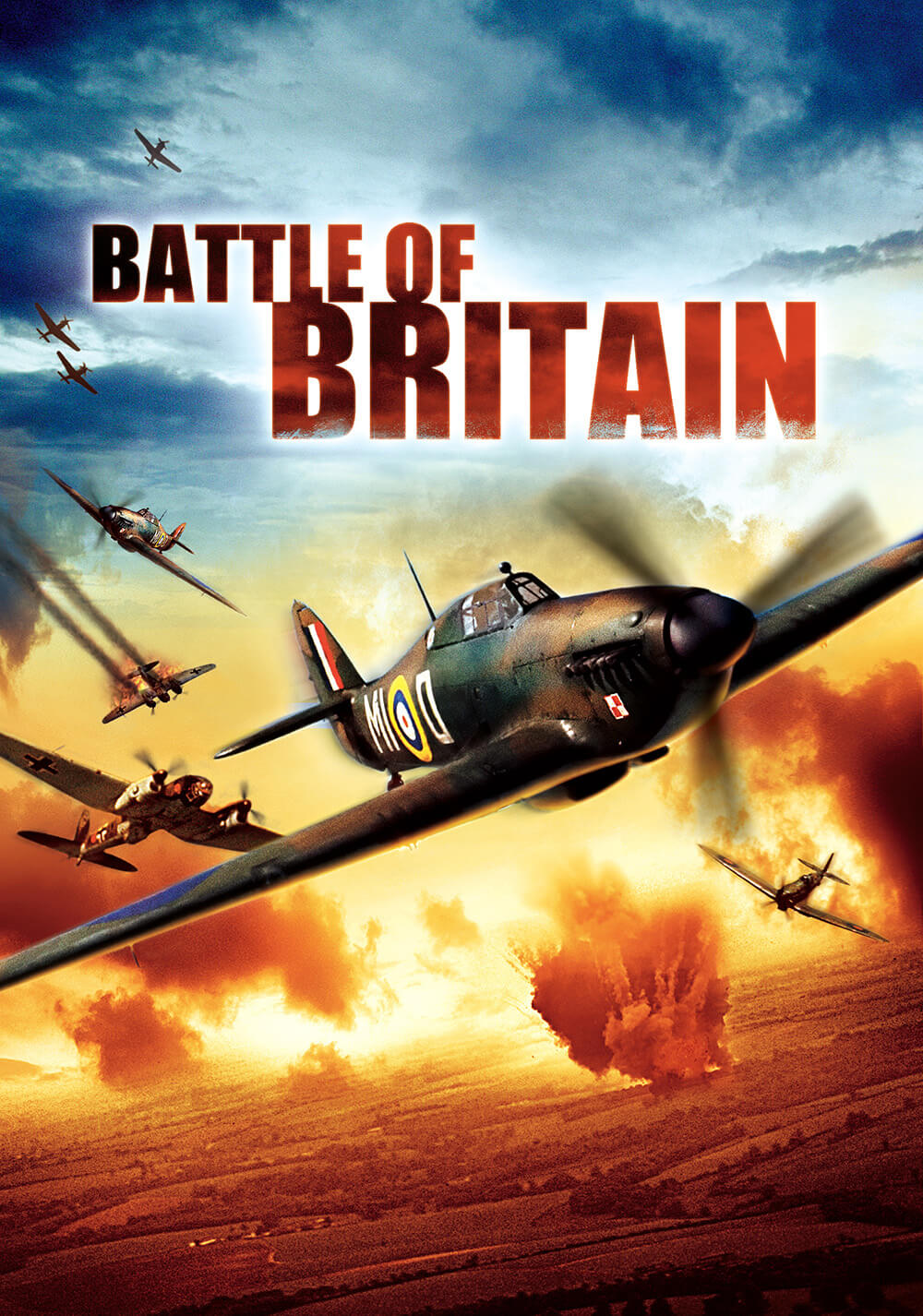
Battle of Britain - Ron Goodwin - Gavin Somerset
From the 1969 motion picture comes the overture from the epic war film, The Battle of Britain. The film tells the story of the summer 1940 where the British RAF, outnumbered, yet with radar on their side, strategically defeated the Luftwaffe. Unusually for a film, this picture had two scores composed, one by Sir William Walton and the other by Ron Goodwin. Following a decision made by those in charge at United Artists, only one segment of Walton's score was used to feature during the epic air battle scene. The remainder of the film's music fell to Ron Goodwin's who gave us the now famous title "Aces High" and the main theme. This is a perfect addition to any band programme and one that audiences are sure to enjoy. To download the Solo Cornet part, please CLICK HERE . To download the Solo Horn part, please CLICK HERE . To download the Solo Euphonium part, please CLICK HERE . To download the playback audio to play along to, please RIGHT CLICK HERE & Save As .
In Stock: Estimated dispatch 1-3 working days
-
 £29.50
Ding Dong Merrily On High - Darrol Barry
Euphonium players will relish the chance this Christmas to perform one of the nations most loved Christmas carols in a solo skilfully penned by Darrol Barry. Marked 'Giocoso' in style, this jolly arrangement not only allows the soloist the chance to show off their virtuosic capabilities, but the band has plenty to enjoy too. A darker middle movement precedes an exciting finale which will have the audiences cheering. A must have for all euphonium soloists. For Christmas 2020, we have made backing tracks of this title for you to download. These can be used either for personal playback use, or to create a virtual performance of the piece with your full band. To download the backing track, please RIGHT CLICK HERE & Save As .
In Stock: Estimated dispatch 1-3 working days
-
 £24.50
W.S.B. March - Gavin Somerset
After performing a number of arrangements by Gavin Somerset, the band commissioned him to compose for them, an original march that would serve as their signature tune for years to come. The march was composed in a light 6/8 time that would get passes by listening and audience's feet tapping along. Composed with a DC, this is optional and the finale of the march has a licence for a Grandioso and accelerando to give the work that flair for its finale. To download the Solo Cornet part, please CLICK HERE . To download the Solo Horn part, please CLICK HERE . To download the Solo Euphonium part, please CLICK HERE . To download the playback audio to play along to, please RIGHT CLICK HERE & Save As .
In Stock: Estimated dispatch 1-3 working days
-
 £29.50
Clarinet Concerto (Adagio): Mozart - W.A. Mozart - Bill Willis
The most popular movement from Mozart's Clarinet Concerto in A is now available as a beautiful solo for Euphonium (with an optional Tenor Horn soloist part also included). The work was originally composed for Anton Stadler and composed in 1791. This arrangement tests the range of the soloist with some large intervals to contend with during the lyrical melodies, utilising the full range of the instrument. The tender accompaniments also require the band to be sympathetic to the soloist as band show off the controlled nature of their playing.
In Stock: Estimated dispatch 1-3 working days
-
£24.50
Hey Presto! - Gerry McColl
This new gem of a solo for Euphonium is a rousing piece from start to finish. Starting with heavy syncopation from the band before the soloist can show off with this catchy little tune that you will be whistling for days (if you can whistle that fast!) The middle section then breaks into a beautiful legato tune for the soloist up in the top register, whilst the rest of the band keep on ploughing away underneath. The original tune then returns after a modulation and finishing with the soloist showing off their chromatic runs in the last couple of bars. This is one of the best new entertaining solos around.
In Stock: Estimated dispatch 1-3 working days
-
 £29.50
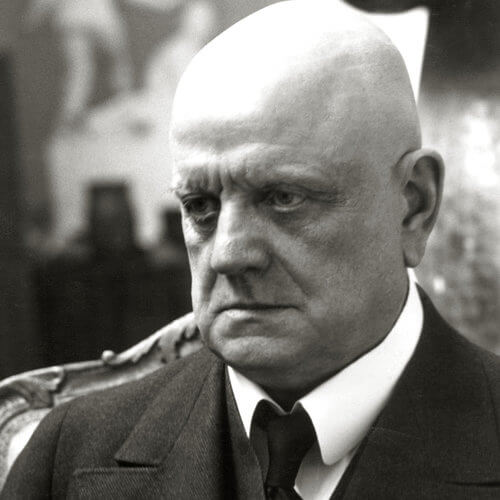
Sibelius Fantasy - Gavin Somerset
Composed in 2003 for a composition competition, this work uses elements of three major work by the Finnish composer Jean Sibelius (1865-1957). The three being... Symphony No.5, Finlandia, Karelia Suite (March) The piece starts with an atmospheric opening before setting of in bar 10 with a tempo that will remain for most of the piece. The main original theme is brought in at A before the famous sequence from Sibelius' Symphony No.5 enters at B and then very distinctly at C. The music then rollercoasts through keeping all sections of the band busy, until we reach J when the solo Euphonium can shine, helped along by Flugel and Repiano. The Molto Vivo before K sets off with dazzling trills from the cornet section, and bringing with it the theme from Finlandia in bar 165, followed shortly by the March from the Karelia Suite. From N to the end, all three pieces are brought to a final climax together. A rousing piece and makes an interesting change to a direct transcription.
In Stock: Estimated dispatch 1-3 working days
-
£24.50
Vanguard - Richard Rock
After the success of his very popular Baritone Solo "Appassionata", Richard Rock has done it again, but this time, for the Euphonium. This melodic solo give the soloist a chance to shine whilst keeping the rest of the band entertained throughout. The piece ranges from a lovely atmospheric opening, to a toe tapping journey with hints of a South American/Latin feel. Playable by most levels of bands and soloists
In Stock: Estimated dispatch 1-3 working days
 View Music