
Results
-
 £38.95
Unity Series Band Journal February 2018 Numbers 462 - 465
We hope you enjoyed listening to the sound files for the 2017 Unity series.If you are interested in purchasing the music, each set contains 4 of the works.Festival March - To Victory (Andrew Blyth); A quiet moment (William Himes); Rivers of Mercy (Kenneth Downie); March - Tell! (Stephen Gibson).The sets contain a score and full set of parts.
Estimated dispatch 7-14 working days
-
 £29.50
Empty Chairs at Empty Tables - Schonberg, Boublil & Kretzmer - Cathryn Rogers
Les Miserables has been entertaining thousands of people the world over since its premiere in Paris in 1980. With a hit soundtrack of memorable songs, Empty Chairs at Empty tables is one of the more reflective works from the musical. As Marius' returns to the caf alone, the solo survivor following the battle (other than Jean Valjean), he regrets and reminisces over the loss of his friends in this moving work that, like many other titles from the musical, works extremely well for Brass Band. A great addition to any concert programme and a sure hit with audiences across the globe.
In Stock: Estimated dispatch 1-3 working days
-
 £29.50
All About That Bass (Tuba!) - Kevin Kadish & Megan Trainor - Gavin Somerset
If you're looking to spice up your concert programme with something a little different, then look no further! It isn't too often that the lower brass get to take the limelight, however, this toe-tapping arrangement of the Meghan Trainor hit does just that! The work has become a huge hit and with a 50's & 60's 'Doo-Wap' feel, it works incredibly well for brass band. With the lower brass being kept busy, the big-band feel to the chorus and plenty of areas in which choreography would work well, this piece can't help but bring a smile to your face. The ultimate entertainment item and one that is enjoyed by all ages! A must have piece for your concerts this year. To download the Solo Cornet part, please CLICK HERE . To download the Solo Horn part, please CLICK HERE . To download the Solo Euphonium part, please CLICK HERE . To download the playback audio to play along to, please RIGHT CLICK HERE & Save As .
In Stock: Estimated dispatch 1-3 working days
-
£37.50
Brass Monkey's Christmas - Gavin Somerset
With so many bands now using the Brass Monkeys publications with their training bands, this latest release of the 'Brass Monkeys' series is our largest to date and includes a variety of works from the festive season. In this substantial publication of music, simple carols are included that can be performed to accompany an audience singing, or as standalone items. Some novelty choices of music have been included too. The 'Little Drummer Boy' is designed to give your budding percussionist the limelight they've craved all year around, whilst 'O Holy Night' will teach your front row the importance of the 12/8 time signature. Of course, no Christmas compilation would be complete without 'Jingle Bells' & 'We Wish You A Merry Christmas'. This publication will ensure your Brass Monkeys are not left out in the cold this Christmas! Music included is...AWAY IN A MANGER (Cradle Song)HARK, THE HEARALD ANGELS SING (Mendlesshon)LITTLE DRUMMER BOY (Carol Of The Drum) aA" playable without percussionIN THE BLEAK MIDWINTER (Cranham)JINGLE BELLSWHILE SHEPHARDS WATCHED (Winchester Old)O HOLY NIGHTWE WISH YOU A MERRY CHRISTMAS
In Stock: Estimated dispatch 1-3 working days
-
£29.50
Brass Monkey's Soloists - Martin Geovess
The main goal of any training band is to eventually see the players progress through the ranks and ultimately, be placed within the senior band. This latest instalment of the Brass Monkeys series, aims to bring that goal much closer and boost the confidence of the learners. The 'Brass Monkey's Soloists' publication features four specially composed works which allows the young soloists to perform a feature piece with accompaniment from the senior band. There is no bigger confidence boost than playing up alongside the 'big band'. The specially tailored solo parts are written at an advanced training band level, whilst the senior band parts will keep them busy as they aid the future generations to come. This publication features...THE OLD 'F' AND 'C' - (Solo for Cornet / Flugel)LAZY DAYS - (Solo for Trombone)DANNI'S SONG - (Solo for Tenor Horn)THE SHOWMAN - (Solo for Euphonium / Baritone / Xylophone)
In Stock: Estimated dispatch 1-3 working days
-
 £150.00
Brass Quintet Collection - Various - Lawrence Killian
20 Titles for Brass Quintet with Optional AugmentationFeaturing stylish arrangements using a flexible format for a minimum of five brass players, this set of music for small ensemble covers a wide range of composers and styles. The collection includes music by Purcell, Bach, Verdi, Gounod, Sousa, Joplin, Botsford, Elgar, Gershwin, and others.Using a unique approach to the scoring, the basic setup is for five players: two cornets/ trumpets, one horn, one trombone, and one bass tuba. Two optional "augment" players can be added using the "flugelhorn", and/ or the "Euphonium" parts. Further expansion of the ensemble is possible by adding multiple players to each part.Twelve parts are provided in total: 1st Bb Cornet, 2nd Bb Cornet, Eb Tenor Horn, French Horn in F, Bb Trombone or Baritone in treble clef, C Trombone in bass clef, EEb Bass, BBb Bass, C Tuba in bass clef, Bb Flugelhorn or Cornet (augment part 1), Bb Euphonium or Baritone (augment part 2), C Euphonium or Trombone in bass clef (augment part 2).A Full score is available seperately at a cost of �35.00. Please contact [email protected] to order. NOTE: Individual books are priced at �20.00 each. Please email [email protected] to order individual books. Videos of these works being performed are available below:- Asturias (Leyenda) from Suite Espanola No.1, Isaac AlbenizBerceuse from "Jocelyn", Benjamin Godard TITLES INCLUDED:- 1. Asturias (Leyenda) from Suite Espanola No.1, Isaac Albeniz 2. Bist du bei mir (Be Thou with Me), J. S. Bach3. Chatterbox Rag, George Botsford4. Grizzly Bear Rag, George Botsford5. Jubilee Fantasy on God Save the King, Bernhard Brahmig 6. Chanson de Matin, Sir Edward Elgar 7. Pomp and Circumstance March No. 4, Sir Edward Elgar 8. But Not For Me, George Gershwin 9. By Strauss, George Gershwin10. They All Laughed, George Gershwin11. Berceuse from "Jocelyn", Benjamin Godard12. JUDEX - from "Mors et Vita", Charles Gounod 13. The Entertainer (Rag), Scott Joplin14. Intermezzo No.2, Vasily Sergeyevich Kalinnikov 15. Berliner Luft, Paul Lincke 16. Sound the Trumpet, from "Come Ye Sons of Art", Henry Purcell 17. Gymnopedie No.1, Erik Satie 18. The Liberty Bell March, John Philip Sousa 19. Tritsch-Tratsch Polka, Johann Strauss II 20. Grand March from the opera Aida, Giuseppe Verdi
In Stock: Estimated dispatch 1-3 working days
-
 £29.50
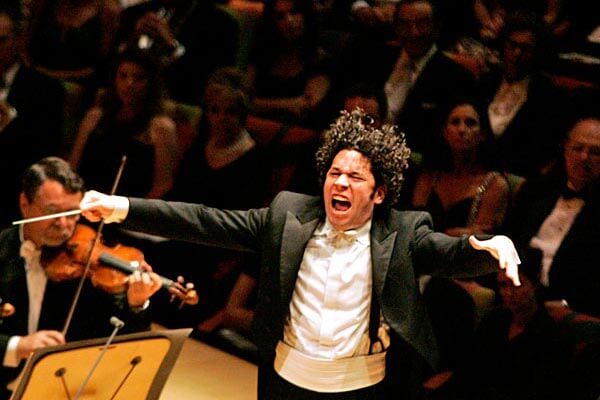
Classical Brass - Various - Gavin Somerset
This medley of famous classical music is the perfect addition to any concert. Beginning with the 'Barber of Seville' before the piece sets off on a journey with tongue placed firmly in cheek! Let your audience here the great classical works of Rossini, Grieg, Liszt, Mendelssohn (& others) as they've never heard them before. The various famous melodies all stay around long enough for your audience to recognize them before being moved off in another direction completely. This work is a musical journey that is perfect for formal proms concerts, yet certainly would not be out of place on a bandstand either. The piece has many opportunities for bands to add their own choreography if desired. A toe tapping, audience pleasing, journey that leaves the audience wanting more. Whilst rehearsals are suspended due to Covid-19, we are making some parts available to download FREE for home use and practice, alongside a downloadable backing track to play along to. To download the Solo Cornet part, please CLICK HERE . To download the Solo Horn part, please CLICK HERE . To download the Solo Euphonium part, please CLICK HERE . To download the playback audio to play along to, please RIGHT CLICK HERE & Save As .
In Stock: Estimated dispatch 1-3 working days
-
 £29.50
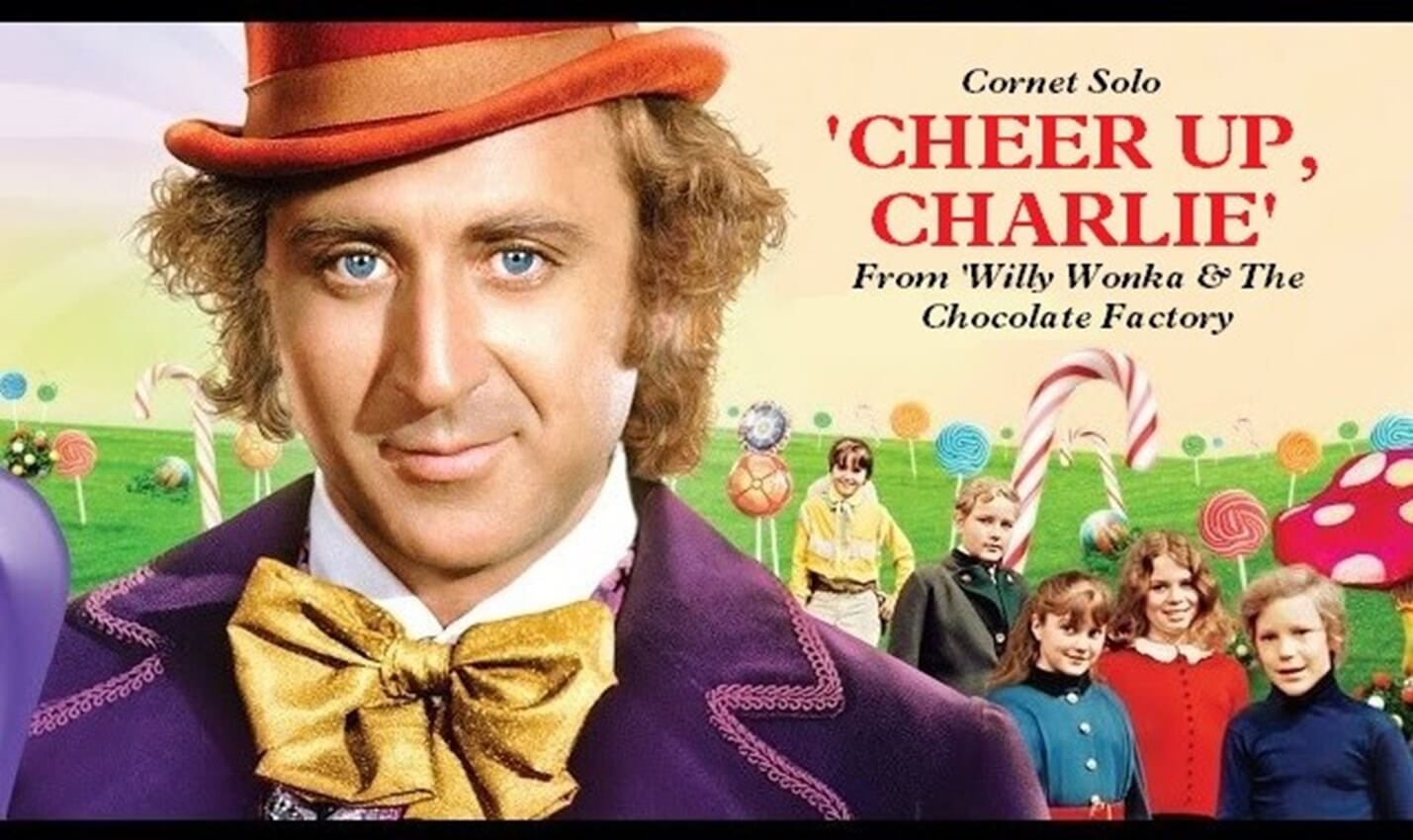
Cheer Up, Charlie - Leslie Bricusse & Anthony Newman - Gavin Somerset
This fresh new cornet solo comes from one of the greatest loved movies of all time. Featuring alongside musical hits such as Pure Imagination and The Candy Man, 'Cheer Up, Charlie' is probably one of the most underrated musical numbers from the film, Willy Wonka & The Chocolate Factory. In the film, the song is sung by Charlie's mother, whilst young Charlie ponders the life he believes lay ahead for him. With a complex chord structure, the band parts remain interesting throughout whilst the lyrical solo line can shine in this beautiful, melodic work. A great 'slow melody' solo item and one that works on both concert and contest stages. To download the playback audio to play along to, please RIGHT CLICK HERE & Save As .
In Stock: Estimated dispatch 1-3 working days
-
 £29.50
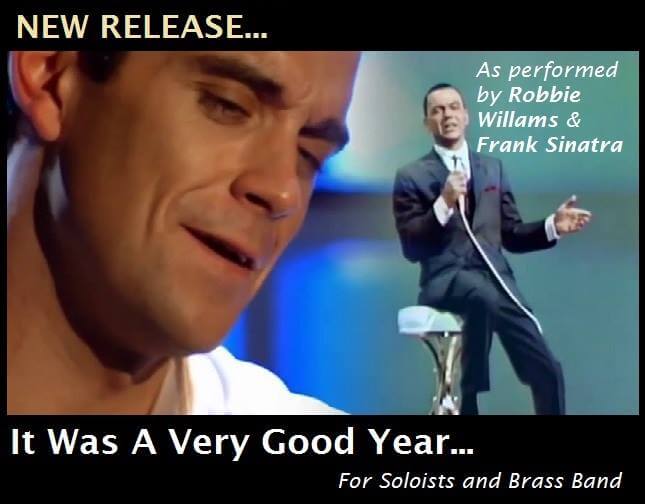
It Was A Very Good Year - Ervin Drake - Gavin Somerset
Composed by Ervin Drake, this bestselling hit for Frank Sinatra (and later, Robbie Williams) tells of the performer's life as they reflect upon their past, aged 17 to being 'In the autumn of their years'. Now, arranged for the first time for brass band, using the original orchestration from the Frank Sinatra version, this stunning work is available for bands to perform with either a single soloist, or for added entertainment value, you can spread the years across various (aging?!) members of the band as several soloist parts are provided (both in Bb and Eb). This piece is a must have for bands looking to add something different to any concert or contest programme. *Also works with vocalist. To download the playback audio to play along to, please RIGHT CLICK HERE & Save As .
In Stock: Estimated dispatch 1-3 working days
-
 £24.50
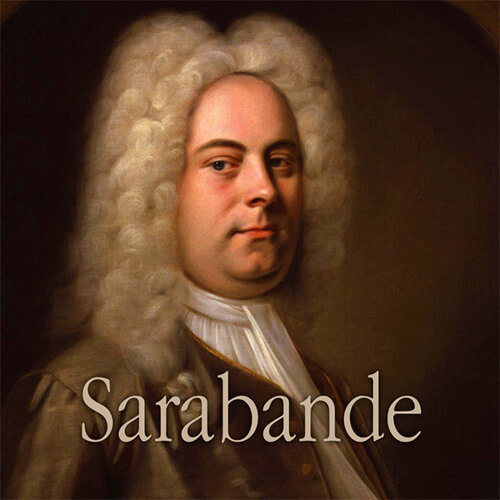
Ombra Mai Fu - Handel - Jonathan Bates
Whilst many will not know the music by name, upon hearing a few bars, the music is recognisable as one of Handel's most famous works. This however was not always the case. 'Ombra Mai Fu' is the opening Aria from the opera 'Serse' which was a failure upon its release, lasting only five performances following its premiere. Thankfully the work was rediscovered some years later and became one of the most famous classical music pieces we know today. Originally composed to be performed by a castrato singer, Jonathan Bates has now arranged this timeless classic into a beautiful cornet solo that would feature well in both the concert hall and bandstand.
In Stock: Estimated dispatch 1-3 working days
 View Music