
Results
-
 £85.00
Freaks! - Gavin Higgins
Freaks! was written for Lisa Sarasini in 2006 and first performed by her with Zone One Brass at the Royal College of Music, London.This tuneful and flamboyant showpiece was inspired by the Tod Browning film of the samename. The 1932 black and white cult classic was banned for many years due to its controversial morality issues and lead characters real life side show freaks . It is one of the most bizarre things to have ever come out ofHollywood. Gavin Higgins' virtuoso trombone solo is programmatic in style, full of humour with a sinister undercurrent, and is broken into seven short scenes:IntroductionRoll up... See theFreaksThe Amazing Cleopatra Queen of the AirGooble Gobble one of us The Wedding PartyThe Fall of CleopatraThe Freaks Take RevengeCleopatra The Duck Lady
Estimated dispatch 5-14 working days
-
 £68.90
Jodrell Bank - P. Yorke - J.B. Ham
The title refers to the big radio telescope at Jodrell Bank in England. This composition is not exactly a symphonic poem, although it tries to give a musical portrait of eternity and infinity. 'Jodrell Bank' is a real classic of the brass band repertoire with its romantic style, its impressive climaxes alternating with quiet pauses and its sparkling finale. Peter York was above all a composer of film and theatre music and was very active in the world of entertainment and light music. Yet he had one musical hobby: composing for brass band even if he had no links at all with the brass band world. At first, he signed his brass band compositions with the pen name Ivor Gould but later used his own name. Among his most important compositions are The Shipbuilders Suite, Gallions Reach and Jodrell Bank.
Estimated dispatch 5-14 working days
-
 £41.30
Spanish Harlem - J. Lieber - P. Spector
During the seventies Jerry Leiber was a member of several popular groups such as The Coasters and The Drifters. He composed some film music, such as the hit song 'Jailhouse Rock' for Elvis Presley. His popular song 'Spanish Harlem' has been recorded by many famous orchestras. Thanks to Willy Hautvast's arrangement it is now also part of the wind band repertoire.
Estimated dispatch 5-14 working days
-
 £184.00
The Maestro - Andrew Pearce
The Maestro, a concertino voor trompet en band, was commissioned by Philip Cobb, principal trumpet of the London Symphony Orchestra. I spent most of Summer 2011 in Prague and London composing this demanding piece, for this was a wonderful opportunity to write a large scale work for one of the world's finest Trumpet virtuosos and I accepted the assignment with great enthusiasm. I also felt a great responsibility to deliver a tour de force for this world class player that was both challenging and enjoyable. Phil was seeking melodies and themes in the piece and had enjoyed my album 'Cinema Symphony', and the dramatic vistas it conjured up. Before writing began, I listened to his beautiful album 'Life Abundant' many times, ensuring I had his sound in my head while writing. The piece represents the many aspects of a contemporary trumpeter's musical life from; brass band chorale (a homage to Phil's musical roots), to the symphonic concert hall to the film recording studio. I am delighted to have had Phil and the International Staff Band record this work under the baton of Dr Stephen Cobb. Its a tour de force not only for the soloist but also for the band and should be an exciting challenge for the very best bands out there.
Estimated dispatch 5-14 working days
-
 £50.60
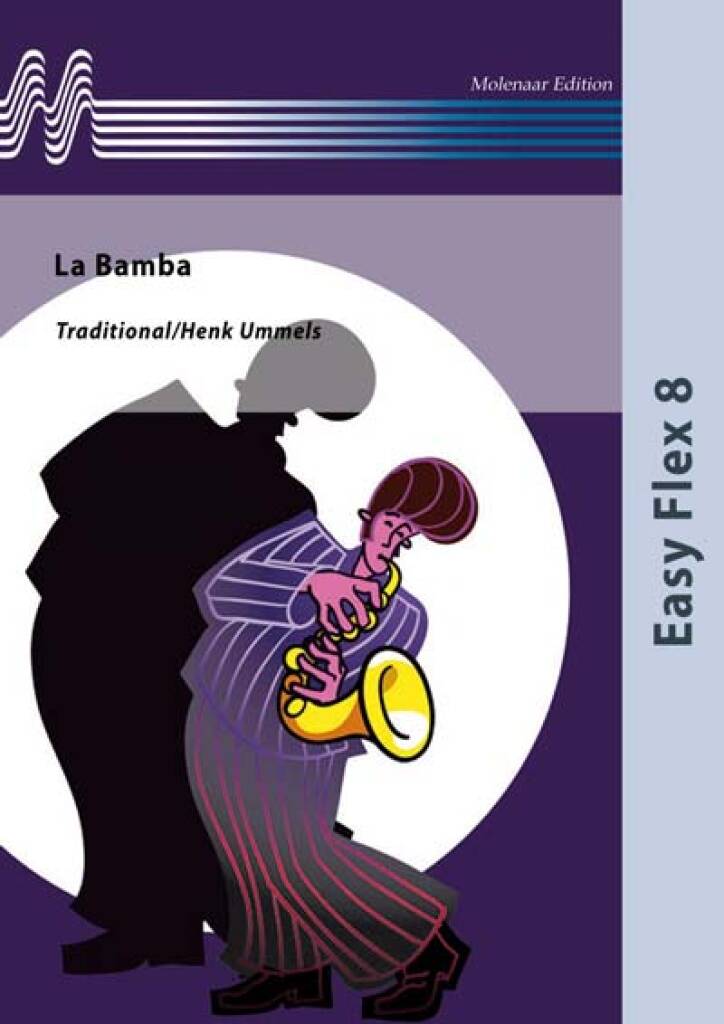
La Bamba - Henk Ummels
This single from Ritchie Valens from 1958 is originally a Spanish song from Mexican folklore. Years later it was picked by Rolling Stone magazine as the only non-English song in their 500 Greatest Songs of All Time list at number 345. In 1987 it was covered by the American band Los Lobos, for the film La Bamba, about the life of Ritchie Valens. This arrangement has been made for flexible setting, and is suitable for a developed student band.
Estimated dispatch 5-14 working days
-
 £127.30
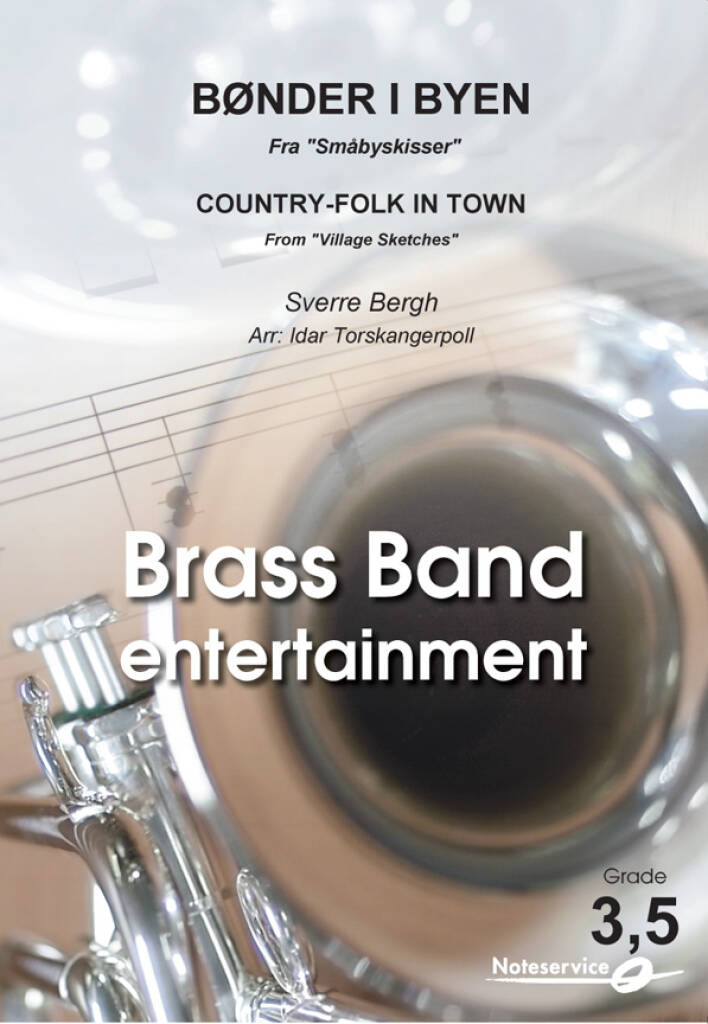
Bonder i Byen (Fra Smabyskisser) - Sverre Bergh - Idar Torskangerpoll
Sverre Bergh (1915-1980) was a central character in the music scene in Bergen, both as a musical leader at "Den Nationale Scene" (theatre) and as a director for the "Festspillene" music festival. He was an arranger and pianist for the NorwegianBroadcasting Company (NRK), and wrote stage- and film scores as well as piano pieces. "Country-Folk in Town" is one movement from "Village Sketches". This small overture was written for the Bergen Philharmonic Orchestra.
Estimated dispatch 5-14 working days
-
 £127.30
Power of Love - Lewis - Idar Torskangerpoll
The song appears early in the movie "Back to the Futur"e as Marty McFly (Michael J. Fox) skateboards to school. Later in the film, McFly and his band play a hard rock version of the song for a Battle of the Bands audition. This is one from1985 is one of Huey Lewis and the News biggest hits.
Estimated dispatch 5-14 working days
-
 £105.20
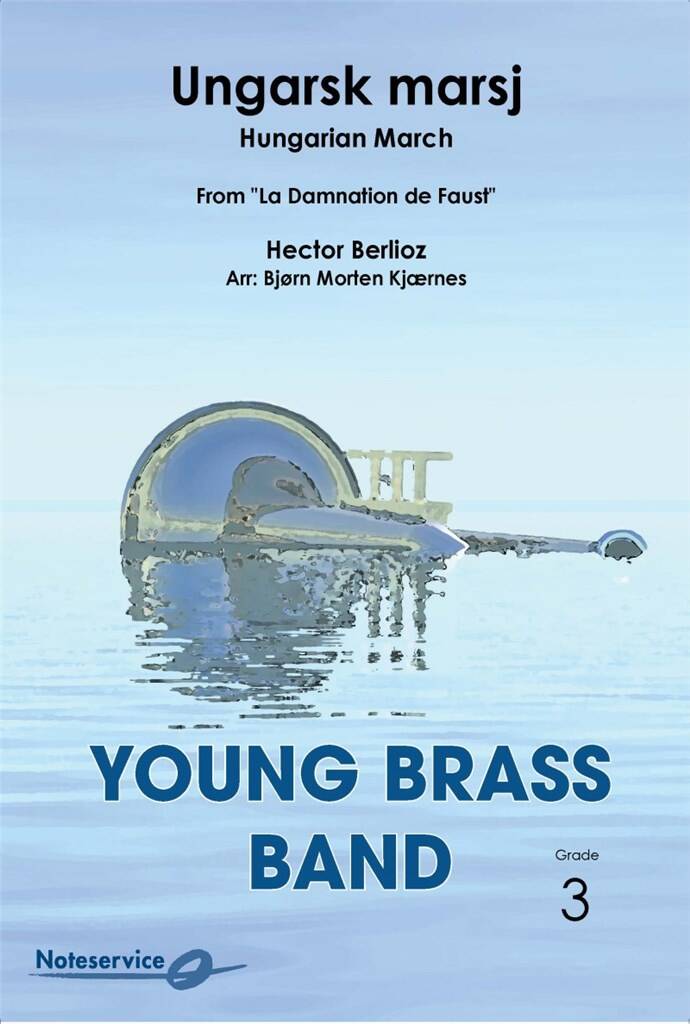
Ungarsk marsj - Hector Berlioz - Bjorn Morten Kjaernes
The "Rakoczi March" (Hungarian March) was the unofficial state anthem of Hungary before Ferenc Kolcsey wrote the Himnusz which is today the official national anthem of Hungary. The first version of this march-song was probably created around 1730 by one or more anonymous composers, although tradition says that it was the favorite march of Francis Rakoczi II. That early version called back Francis Rakoczi II to save his people. It was very popular in the 18th century but in the 19th century the more refined Rakoczi March became prevalent. Hector Berlioz included the music in his composition "La Damnation de Faust" in 1846, and Franz Liszt wrote a number of arrangements, includinghis Hungarian Rhapsody No. 15, based on the theme. The march gave its name to a 1933 Austrian-Hungarian feature film - Rakoczy-Marsch This arrangement is based on Berlioz instrumentation and phrasing from his Hungarian March, but in the form of the 19th century Rakoczi March
Estimated dispatch 5-14 working days
-
 £115.60
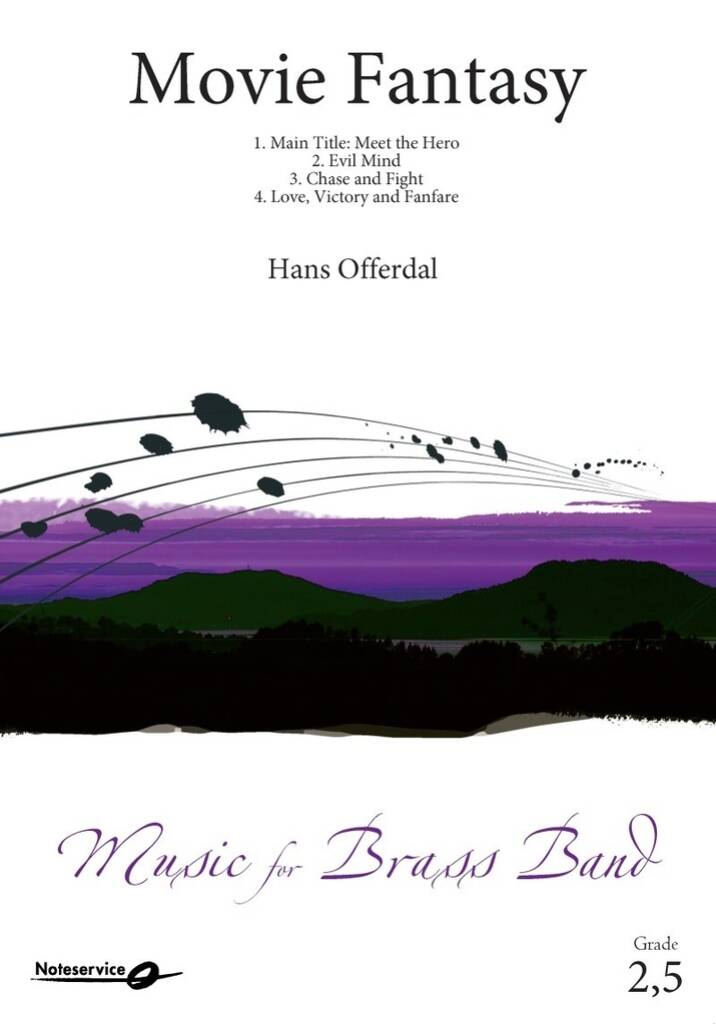
Movie Fantasy - Hans Offerdal
Movie Fantasy is a film music fantasy in four movements.In the first movement we meet the hero of our story. He is a strong man who fights for justice. Thefollowing movement introduces us to the bad guy with his evil mind and vicious plan to destroy our hero.In the third movement they chase each other and end up in a huge fight. They knock each other out and liestill on the ground. Which one of them will survive?In the final movement our hero wakes up at the hospital the very next morning with his girl friend at hisside. He realises that he won the fight and the bad guy is set in jail. His girlfriend embraces him and thecamera moves back. End credits roll as the piece closes with a fanfare.Each movement can also be played separately.
Estimated dispatch 5-14 working days
-
 £115.60
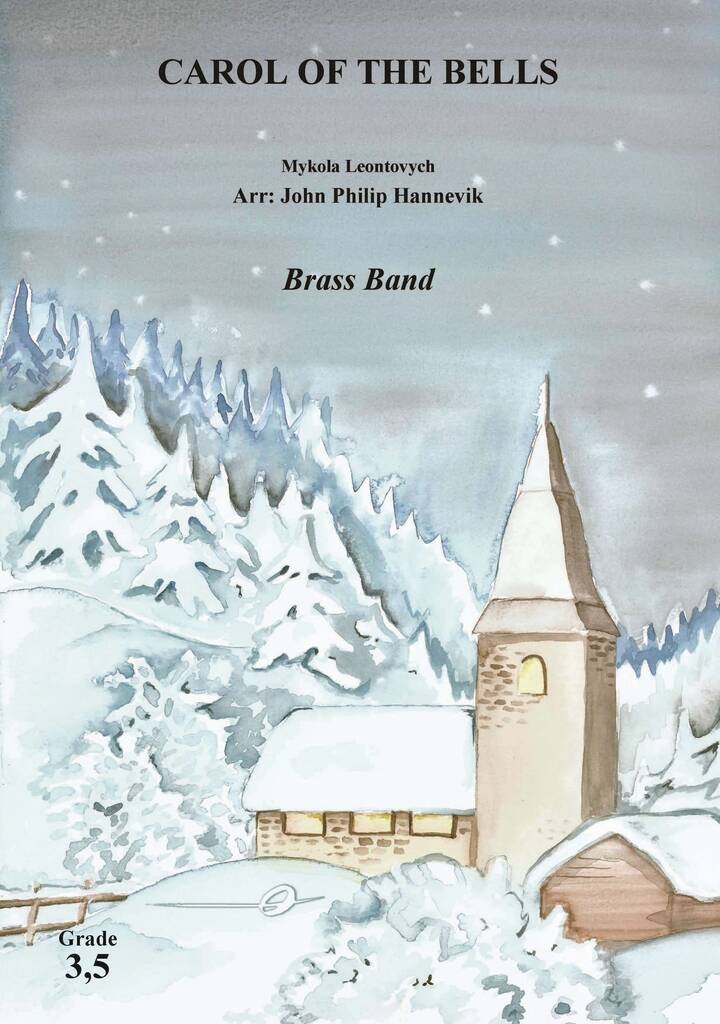
Carol of the Bells - Mykola Leontovych - John Philip Hannevik
Ukrainian composer Mykola Leontyovich composed this famous Christmas Carol in 1914. The carol is based on a folk chant called Shchedryk.The composer was a supporter of the independence movement in Ukraina, and was assassinated by a Soviet agent in 1921.The carol was made famous after the adaption by Peter J Wilhousky in 1936. Wilhousky worked as an arranger for the NBC symphony orchestra.It is also well known from popular culture, like the film Home Alone (1990), and a version by the vocal group Pentatonix.
Estimated dispatch 5-14 working days
 View Music