
Results
-
£29.50
Masquerade - Carl Nielson - Bill Willis
The opera, Masqurade, plot revolves around Leander and Leonora, two young persons who meet fortuitously at a masquerade ball, swear their undying love for each other and exchange rings. The following day, Leander tells a servant of his newfound love. He soon becomes distraught when informed by the servant that his parents have betrothed him in marriage to a neighbour's daughter. Things get complicated when Leonard, the neighbour whose daughter is the other part of the previously unknown arrangement, comes complaining to Leander's father that his daughter is in love with someone she met at the masquerade last night. In the third act, all is resolved when the various parties slip off to the night's masquerade, where all is revealed to everyone's mutual satisfaction. The overture is a stunning work, very entertaining for audiences and players alike.
In Stock: Estimated dispatch 1-3 working days
-
 £24.50
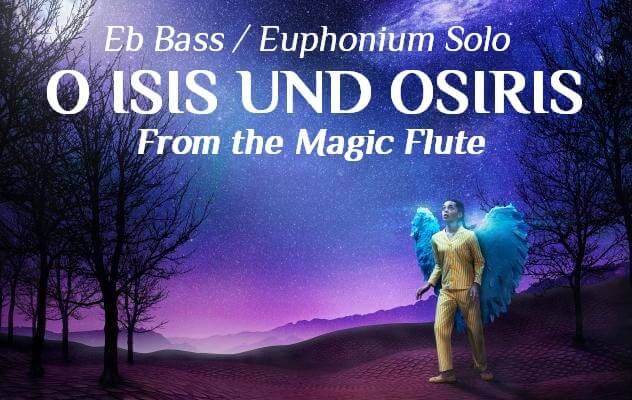
O Isis Und Osiris - W.A. Mozart - Andi Cook
The Magic Flute (Die Zauberflote) is one of Mozart's most successful operas, premiered only 2 months before the composer's early death. Skilfully arranged now as an Eb Tuba solo (with an Euphonium solo part as an alternative option), this is a chance for your band's tuba player to show the instruments in a new light, not often seen on the concert stage. The Aria O Isis Und Osiris is performed at the start of the second act of the opera and allows the soloist to show off the more lyrical and operatic side of the instrument.
In Stock: Estimated dispatch 1-3 working days
-
 £32.95
INTRODUCTION TO ACT III (Lohengrin) (Brass Band) - Wagner, Richard - Wright, Denis
Estimated dispatch 7-14 working days
-
 £50.90
PRELUDE TO ACT 1 LA TRAVIATA (Brass Band) - Verdi, Giuseppe - Fernie, Alan
Medium
Estimated dispatch 7-14 working days
-
 £26.50
 -
£58.60
RIGOLETTO (Fantasia on a Theme from Act 1) (Brass Band) - Verdi, Giuseppe - Newsome, Roy
Medium/Advanced
Estimated dispatch 7-14 working days
-
 £59.99
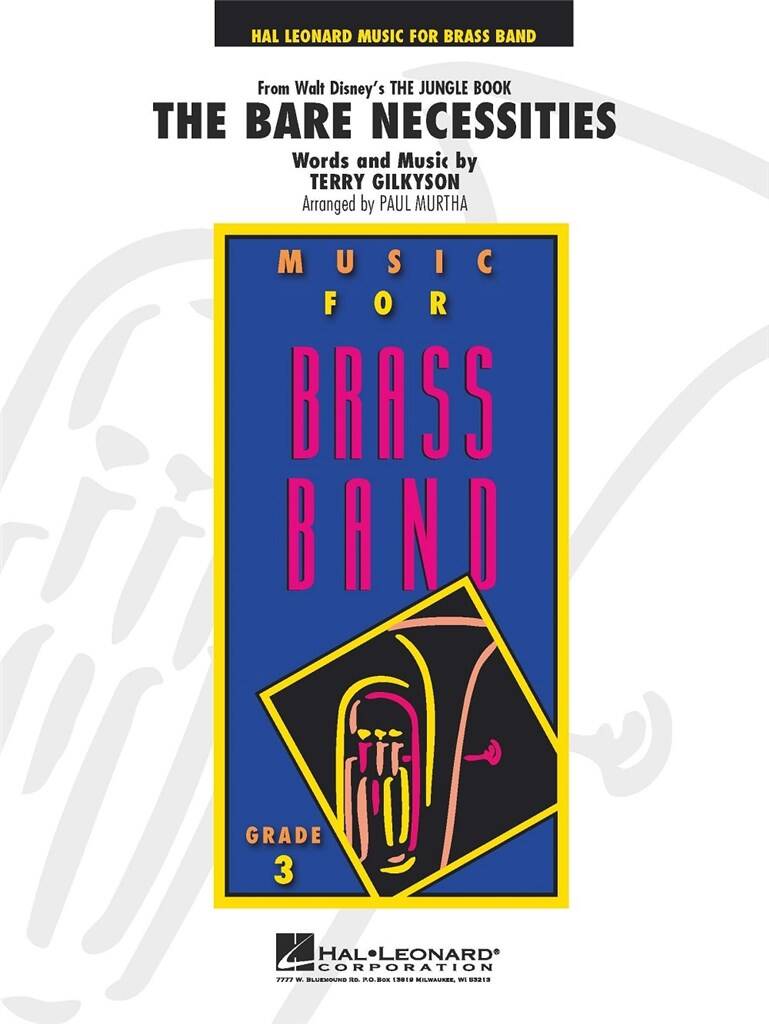
The Bare Necessities - Paul Murtha
First heard in the original 1967 movie, this familiar tune is featured again in the acclaimed 2016 version. In this clever arrangement for band, Paul Murtha utilizes a peppy 2-beat style, beginning with the trombones taking the melody. Every section of the band soon gets into the act, including a solo or soli for tuba, and a brief slower section for a Dixieland combo leading to the rousing finish. This song is guaranteed to be a highlight at any concert.
Estimated dispatch 5-14 working days
-
 £127.30
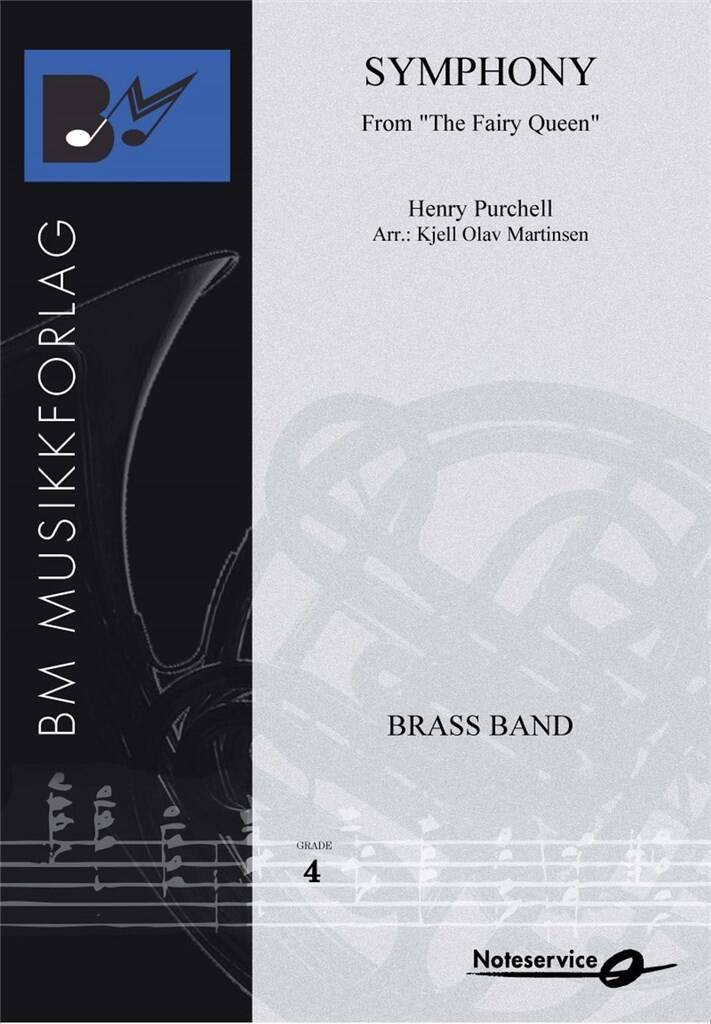
Symphony from The Fairy Queen - Henry Purchell - Kjell Olav Martinsen
Henry Purcell (1658 1695) is generally considered as one of the greatest English composers. He incorporated Italian and French stylistic elements into his compositions and made uniquely English baroque music. He has a rich production as composer, with works for orchestra, church, scene and vocal. In 1692, three years before his dead, he composed music to The Fairy Queen, who is a masque or semi opera who is a revised version of William Shakespeare's wedding comedy A Midsummer Night's Dream. This arrangement of Symphony is the overture to act number four.
Estimated dispatch 5-14 working days
-
 £70.00
Smoke Sketches - Daniel Hall
Smoke Sketches is Daniel Hall's first original work to be published in the Faber Music Brass Band Series. Daniel is one of the most gifted of the rising generation of composers writing for brass bands. Smoke Sketches was composed at the invitation of Brass Bands England for the Intermediate Section of the 2017 National Youth Brass Band Championships of Great Britain. This colourful, jazzy suite draws inspiration from the ancient art of gazing into smoke from fire to find stories through the act of divination. Into the Blaze suggests someone briskly fire-walking, barefoot, with unexpected sparks fizzling from the ground. A Lonesome Ember capturesthe fleeting life of a small ember, beginning insignificantly and gradually evolving into a larger being before disappearing into ash, while Spark of Light bristles with life and energy. Band Grade 3/4, duration 8 minutes.
Estimated dispatch 5-14 working days
-
 £127.30
Joyful Joyful - Ludwig van Beethoven - Bjorn Morten Kjaernes
Beethoven's everlasting melody keeps popping up in different arrangements. This one is inspired by the version made to the movie "Sister Act". Gospel at its best!You may use this piece both in church concerts and entertainments shows.This is a fine number to practice sixteenths syncopations. Often, most players have similar rhythm and phrasing, but with different pitches. Extended harmonies and ensemble balance are also elements to work on. Two groups have special roles:- If you perform the arrangement instrumental, 1st Solo Cornet and Solo Horn are both important. The solos may be played as written or improvised. There is also an optional womens choir arrangement (SSAA)included in the set. - The bass line is also challenging and very important. Make it groove!
Estimated dispatch 5-14 working days
 View Music