
Results
-
 £22.95
Mo Ghile Mear - 'My Gallant Darling' - Richard Rock
This is an old Irish love song, written by Sean Clarach Mac Domhnaill in the 18th Century. Composed in the convention of Aisling poetry, it is a lament by Eire for Bonnie Prince Charlie, who was then in exile.
Titles No Longer Available
-
 £29.95
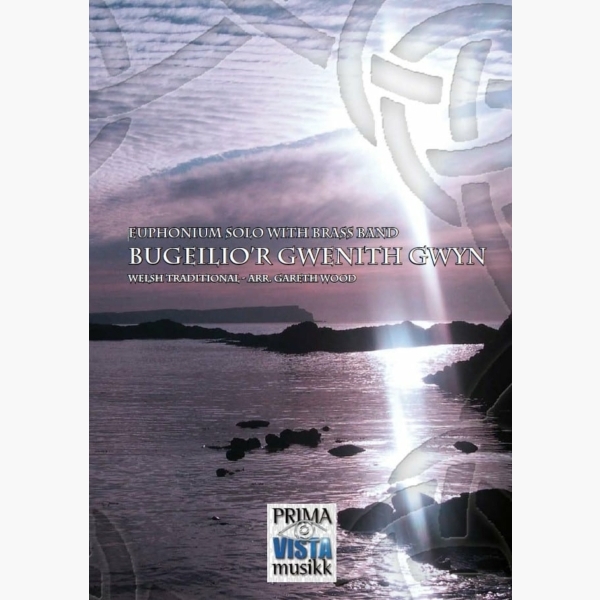
Bugeilio'r Gwenith Gwyn (Watching the Wheat) - Welsh Traditional - Gareth Wood
Bugeilio'r Gwenith Gwyn is an 18th century Welsh love song known to many by its English title of 'Watching the Wheat'. Although the song describes a tragic love affair, the music remains extremely popular with musicians throughout Wales. This skilful...
Estimated dispatch 5-7 working days
-
 £54.95
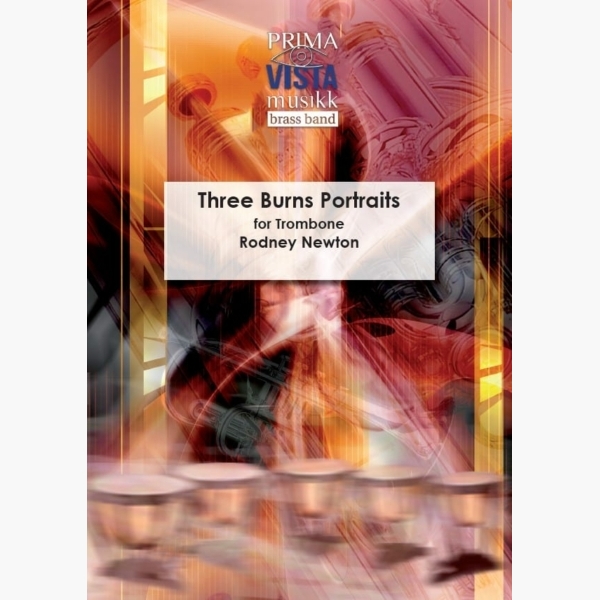
Three Burns Portraits - Rodney Newton
Robert Burns (1759-1796) was one of the most colourful literary figures of the 18th Century. The son of a tenant farmer, he was born in Ayrshire, Scotland, and earned a living variously as a farmer, flax dresser and exercise man,...
Estimated dispatch 5-7 working days
-
£29.95
ROUSSEAU (Brass Band Set) - Ray Ogg
Rousseau takes its name from a melody turned hymn tune attributed to the 18th century philosopher and composer. The composer, during his one year tenure as Bandmaster of the Chicago Staff Band, studied harmony with Emil Soderstrom and the march was the ultimate result of these studies.
Estimated dispatch 7-14 working days
-
 £30.00
Neruda - Johann Baptist Georg Neruda
Johann Baptist Georg Neruda was an 18th century Czech violinist and composer. Classical trumpet players include his Concerto in Eb for Trumpet & Strings as one of their favourite solos, which is often performed on an Eb Soprano Trumpet. My son Jon, a fine trumpet and cornet player, has played it often. Soprano Cornet player Simon Morgan asked me if it could be done with a brass band. I have taken the lively 1st movement, and adapted it as a soprano cornet solo. Ideal as a concert item, part of a CD, or part of an entertainment programme."Tim, many thanks for this, a great arrangement and a great solo". Simon Morgan
In Stock: Estimated dispatch 3-5 working days
-
The Tricorn - Len Jenkins - Len Jenkins
The Tricorn is a style of three-cornered hat from Europe in the 18th century, generally referred to as a 'cocked hat' in Britain and popular in America at the time of the War of Independence. It may still be seen on ceremonial occasions as part of the town-cryer's dress in England and features in a popular German song for children 'Mein Hut, der hat drei Ecken'. However, in the case of this music, the reference is to the cornet section and the requirement for triple-tonguing on the Eb Soprano cornet. Whilst ostensibly a concert march in style, its jaunty rhythm makes you want to stride along and it may therefore be used as a 'road march' as well. Pressure on the Soprano cornetist as a soloist is reduced by adding the Solo Cornets to the melody line in the 'road march' version. With this in mind, we supply the music in both A4 (concert) and A5 (march-card) sizes as a package.
-
 £44.95
Deus Solus (Brass Band - Score and Parts)
Deus Solus (meaning God Alone) was composed for the Melbourne Staff Band's 130th anniversary at the request of Bandmaster Ken Waterworth. It is based on three Christian tunes - the 18th century hymn O God, our help in ages past (S.A.S.B. 47), and the more contemporary songs God and God alone (Phill McHugh) and Chris Bowater's Faithful God (S.A.S.B. 360). The work begins quietly and with a sense of the unknown, with references to O God, our help in ages past, alluding to the formation and early days of the band.
Estimated dispatch 7-14 working days
-
 £29.95
Judd: Rousseau
Rousseau takes its name from a melody turned hymn tune attributed to the 18th century philosopher and composer. The composer, during his one year tenure as Bandmaster of the Chicago Staff Band, studied harmony with Emil Soderstrom and the march was the ultimate result of these studies
Estimated dispatch 7-14 working days
-
 £44.95
Deus Solus (Brass Band - Score and Parts) - Wainwright, Andrew
Deus Solus (meaning God Alone) was composed for the Melbourne Staff Band's 130th anniversary at the request of Bandmaster Ken Waterworth. It is based on three Christian tunes - the 18th century hymn O God, our help in ages past, and the more contemporary songs God and God alone (Phill McHugh) and Chris Bowater's Faithful God. The work begins quietly and with a sense of the unknown, with references to O God, our help in ages past, alluding to the formation and early days of the band.
Estimated dispatch 7-14 working days
-
 £29.95
Rousseau (Brass Band - Score and Parts) - Ogg, Ray
Rousseau takes its name from a melody turned hymn tune attributed to the 18th century philosopher and composer. The composer, during his one year tenure as Bandmaster of the Chicago Staff Band, studied harmony with Emil Soderstrom and the march was the ultimate result of these studies.
Estimated dispatch 7-14 working days
 View Music