
Results
-
 £84.99
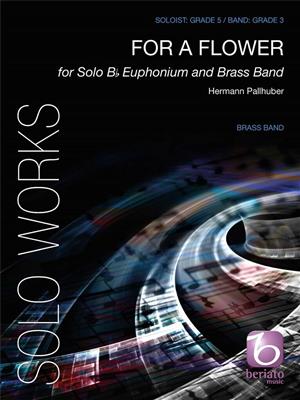
For a Flower - Hermann Pallhuber
For a Flower is a very melodic and virtuosic solo work for euphonium and brass band. It opens with a gentle solo introduction on euphonium, which develops into a grand hymnal theme. Following this comes a faster and more virtuosic section in a traditional Irish style, with a varied dialogue between the band and the soloist. The work closes triumphantly with the hymnal theme of the opening. For a Flower showcases both the musical and technical capabilities of this wonderful instrument. The euphonium soloist must naturally master both skills: lyrical playing and virtuoso playing. For a Flower was commissioned by the Dutch euphonium virtuoso Robbert Vosand is dedicated to his wife, Evi.
Estimated dispatch 5-14 working days
-
 £74.99
Flower Power
Don Campbell has taken four songs which reflect the period of Flower Power and made a swingin' groovin' medley out of them. Put on your flares and sunglasses and enjoy the sound of the 60's.
Estimated dispatch 5-14 working days
-
£30.00
FLOWER DUET (from Lakme) Delibes arr. Williams
Estimated dispatch 3-5 days
-
 £24.50
Flower Duet
Estimated dispatch 7-14 working days
-
 £43.20
 -
 £24.95
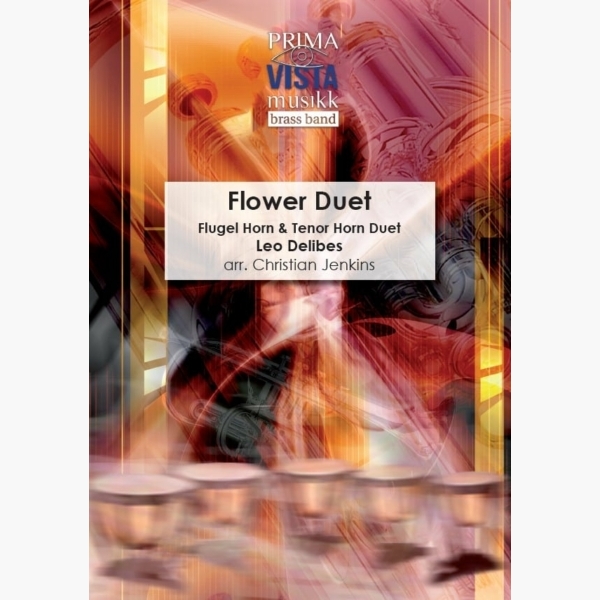
The Flower Duet - Leo Delibes - Christian Jenkins
Lakme had its premiere at the Opera Comique in Paris in 1883. It became a great success, largely due to its difficult and highly melodic leading coloratura soprano role. The Opera is set in 19th century India. It opens with...
Estimated dispatch 4-7 working days
-
 £46.20
 -
£49.20
-
£46.20
-
£64.50
 View Music